
close
Choose Your Site
Global
Social Media


Views: 0 Author: Site Editor Publish Time: 2026-01-09 Origin: Site


Scratched glass is more than just an eyesore; it’s a distraction that ruins the aesthetic of your car, home windows, or even your favorite glass tabletop. Whether it’s a wiper arc on a windshield, water spots on a shower door, or a slight haze on an aquarium, replacing the glass is often an expensive and unnecessary headache.
Enter cerium oxide—the secret weapon used by professionals to restore glass to its original clarity. Unlike standard cleaning sprays that sit on the surface, cerium oxide acts as a precision abrasive, physically leveling the glass surface to remove imperfections permanently. But while it is highly effective, it requires the right technique to work safely.
In this guide, we will walk you through exactly what cerium oxide is, how to mix it, and the step-by-step process for polishing glass like a pro.
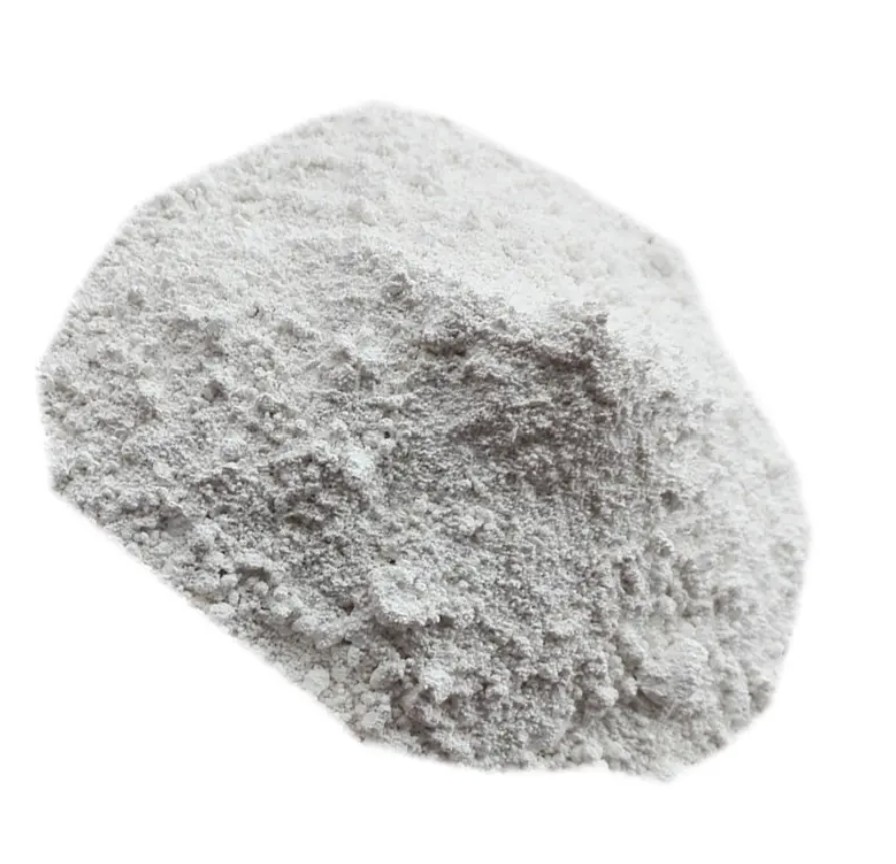
If you have ever wondered what gives professional glass polishing kits their cutting power, the answer is almost always cerium oxide (CeO₂). It is a pale yellow or white powder derived from the rare earth element cerium. While it is widely used in ceramics and electronics, its most popular application is in optics and glass restoration.
Glass is significantly harder than the clear coat on your car’s paint. Traditional polishing compounds designed for automotive paint or metals are simply too soft to make a dent in glass surfaces. They might fill in a scratch temporarily with oils, but they won’t remove it.
Cerium oxide works differently because of its hardness and chemical properties. It doesn’t just scratch the surface to clean it; it actually removes a microscopic layer of the glass. This allows it to “level” the glass down to the bottom of the scratch, effectively erasing the damage rather than hiding it.
The magic of CeO₂ lies in a process known as “chemical-mechanical planarization.” It’s a mouthful, but here is what it means in simple terms: Cerium oxide works in two ways simultaneously.
Mechanical: The abrasive particles physically grind down the high points of the glass surface.
Chemical: When mixed with water and subjected to heat and friction, the cerium oxide reacts chemically with the silica in the glass. This reaction softens the surface layer slightly, allowing the abrasive to smooth out imperfections much faster than a standard abrasive could on its own.
Not all glass damage is created equal. Before you start mixing your slurry, it is crucial to understand what cerium oxide can fix—and more importantly, what it can’t.
Light scratches: These are surface-level marks often caused by old windshield wipers, rough cleaning sponges, or grit trapped under a cloth. If you run your fingernail over the scratch and it doesn’t “catch,” cerium oxide is the perfect solution.
Water spots and mineral stains: Hard water contains calcium and magnesium that can etch into the glass pores over time. Standard vinegar solutions might fail, but polishing will physically grind these deposits away.
Swirl marks and surface haze: Improper cleaning techniques can leave a web of fine swirl marks that make glass look dull, especially in direct sunlight. Polishing restores the optical clarity.
Deep scratches: The “fingernail test” is the gold standard here. If your fingernail catches in the scratch, it is likely too deep to be polished out safely. Attempting to grind down a scratch this deep can cause optical distortion (a “funhouse mirror” effect) because you are removing too much material.
Chips and cracks: Polishing applies heat and pressure. If used on a chip or crack, the stress will almost certainly cause the glass to spread and shatter.
Structural glass damage: Any damage that compromises the integrity of the glass cannot be polished away.
You cannot simply dump abrasive powder on a dirty window and hope for the best. Preparation is arguably the most critical step in the process. If even a single grain of sand is trapped under your polishing pad, you will create deep swirls that are far worse than the original problem.
Start by thoroughly washing the glass with a high-quality glass cleaner or a mixture of dish soap and water. You need to strip away all road grime, bug splatter, oils, and waxes. For stubborn contaminants, use a clay bar to lift embedded particles from the surface. The glass should feel completely smooth to the touch before you begin.
Once clean, dry the glass and inspect it under a strong light source. Use a permanent marker on the reverse side of the glass (if accessible) to circle the areas that need attention so you don’t lose track of them once the messy slurry covers the surface.
Glass polishing is a messy business. The rotary tool will fling droplets of abrasive slurry everywhere. If you are working on a car windshield, you must tape off the rubber seals, plastic trim, and paintwork. Dried cerium oxide is notoriously difficult to remove from textured black plastic and rubber, so a few minutes of taping will save you hours of cleanup later.
Cerium oxide is typically sold as a dry powder that needs to be mixed with water to form a slurry. Getting the consistency right is key to keeping the pad lubricated and the abrasive active.
There is no single “perfect” ratio, but different consistencies work better for different tasks:
For light polishing (Stain removal): Mix approximately 50 grams of powder with 100ml of water. You want a thin, milky consistency.
For scratch removal: You need a more aggressive mix. Try mixing roughly 100 grams of powder with 100ml of water. This creates a paste similar to liquid foundation or heavy cream.
Preventing clumps and sediment: Use warm (not hot) distilled water to help the powder disperse. Mix it thoroughly in a small sealable container. Shake it vigorously before every application, as the heavy cerium particles will settle to the bottom quickly.
Keeping slurry evenly suspended: If you are doing a large job, give your spray bottle or container a shake every few minutes to ensure you aren’t just spraying water.
You can polish glass by hand, but for anything more than a tiny spot, you will want a mechanical helper. The pad you choose dictates how aggressive the polishing action will be.
Rayon or wool felt pads are the industry standard for glass polishing. They are dense, hard, and hold the abrasive slurry against the glass effectively.
Cutting power: Felt pads provide high friction, which generates the heat needed for the chemical reaction to occur. Use these for removing scratches and heavy mineral etching.
Foam pads are generally too soft to remove scratches from glass. However, they are excellent for the final stage of polishing.
Final polishing: If you have used a felt pad and the glass looks clear but has microscopic hazing, a quick pass with a firm foam pad can refine the finish to crystal clarity.
This is the most effective method. You can use a rotary polisher (best for professionals), a dual-action polisher, or even a standard corded drill with a backing plate attachment.
Best use cases: Windshields, shower doors, large windows, and tabletops.
Control considerations: Keep the RPMs moderate (1500–2000 RPM). High speed creates dangerous heat. Always keep the tool moving; never let it sit in one spot.
Small-area and precision work: Hand polishing is extremely labor-intensive but safe. It is ideal for delicate items like watch faces, smartphone screens, or the corners of mirrors where a machine cannot reach.
Advantages and limitations: You have total control, so you won’t accidentally crack the glass with heat. However, do not expect to remove scratches by hand—it is strictly for deep cleaning and removing water spots.
The technique is just as important as the materials. The “Goldilocks zone” for glass polishing involves balancing pressure, speed, and moisture.
Apply firm, consistent pressure directly downward. You need enough force to engage the abrasive, but not so much that you struggle to control the machine. If the drill creates a high-pitched bogging sound, ease off slightly.
Use an overlapping grid pattern. Move up and down, then left and right. This ensures you cover the area evenly and prevents creating “troughs” or uneven spots in the glass.
This is the most critical safety tip: Glass does not conduct heat well. Friction creates heat rapidly, and if one spot gets hot while the surrounding glass is cold, thermal shock can cause the glass to crack instantly. Check the temperature frequently by touching the glass with the back of your hand. It should be warm, but never too hot to touch.
Never let the slurry dry out while polishing. Dry cerium oxide generates excessive heat and can scratch the glass. Keep a spray bottle of water handy and mist the surface whenever the slurry starts to look paste-like or dry.
Eyes: Safety glasses are non-negotiable. Slurry will splatter, and getting abrasive grit in your eye is painful and dangerous.
Lungs: When dry, cerium oxide is a fine dust. Wear a dust mask when mixing the powder.
Skin: It’s not toxic, but it dries out skin severely. Wear nitrile gloves.
Avoid creating dust clouds when pouring the powder. Once mixed, it is relatively safe, but avoid ingesting it or letting it dry on skin.
Work in a well-ventilated area. After polishing, wipe up the splatter immediately before it dries. If it dries on concrete or plastic, it turns into a stubborn, cement-like residue.
Every piece of glass reacts differently. Some tempered glass is incredibly hard, while vintage glass might be softer.
Pick a small, inconspicuous corner (bottom passenger side of a windshield, for example). Polish for 30–60 seconds, clean it off, and inspect. If you see new micro-scratches, your pad might be dirty, or the slurry is too thick. If there is no change, you may need more pressure or a felt pad.
Rinse felt pads thoroughly with warm water immediately after use. If the slurry dries inside the felt, it turns into a hard rock that will ruin the pad and scratch your glass next time.
Store your pads in sealed Ziploc bags. Dust is the enemy of polishing.
Keep your dry cerium oxide powder in an airtight container in a cool, dry place. Moisture will cause it to clump and become unusable.
Be realistic. You can remove wiper hazing, light sandpaper marks, and stubborn mineral deposits. You can make glass look 90% better. You cannot remove a scratch that you can clearly feel with your fingernail without risking optical distortion.
Glass polishing is slow. Removing light wiper marks from a windshield can take 30 minutes to an hour. Don’t rush; patience yields clarity.
If you are looking for a “wipe on, wipe off” miracle, this isn’t it. This is a renovation process. But with patience, the results can be indistinguishable from brand-new glass.
Finish quality: Nothing leaves glass as optically clear as cerium oxide. It’s why high-end watchmakers and telescope manufacturers use it.
Efficiency: Compared to other DIY hacks like toothpaste or baking soda (which do virtually nothing), cerium oxide is a professional-grade abrasive that actually cuts the glass.
Versatility: One bag of powder can fix your car windshield, your shower screen, your expensive aquarium, and even your smartwatch face.
How long does cerium oxide polishing take?
It varies by damage depth. A simple polish to remove water spots might take 10 minutes per window. Removing scratches can take 30+ minutes per section.
Can cerium oxide slurry be reused?
Technically, yes, if kept clean. However, it’s usually better to mix a fresh batch to avoid contamination from glass dust and debris removed during the previous polishing session.
Is cerium oxide safe for all glass types?
It is safe for tempered, annealed, and laminated glass. However, do not use it on glass that has a coating (like anti-reflective coatings on eyeglasses or tinted films) as it will scrub the coating right off.
Using cerium oxide is the most effective way to restore damaged glass, bridging the gap between a simple cleaning and a full replacement. While the process requires elbow grease, patience, and careful heat management, the results are often transformative.
Remember the golden rules: Clean your surface meticulously, keep the glass wet and cool, and never attempt to polish out deep cracks or fingernail-catching scratches. With these steps in mind, you are ready to mix your slurry and bring that crystal-clear shine back to your glass surfaces.
You can purchase cerium oxide directly from Ganzhou Wanfeng Advanced Materials Technology Co., Ltd. If you’re using cerium oxide for glass polishing, optical components, or CMP-related manufacturing, we can support you with a steady supply and practical guidance on selecting the right grade for your application.
To get started, it helps to share a few basics (so you receive the correct product, not a generic match):
Your application (e.g., cerium oxide glass polish, optics, electronics/CMP)
Target particle size range (micron vs. submicron)
Purity expectations and any internal QC requirements
Order quantity and shipping destination
Wanfeng’s goal is simple: connect rare earth materials with worldwide customers—with the quality consistency and service response manufacturers depend on.


