
close
Choose Your Site
Global
Social Media


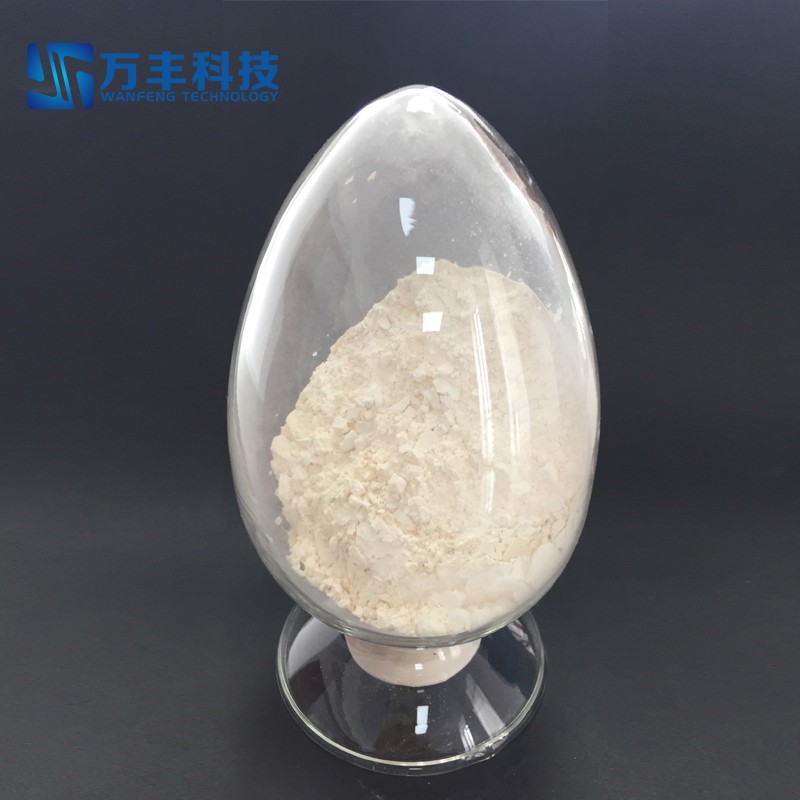
We strictly define Cerium Oxide (CeO2) as a pale yellow-to-brown rare-earth compound. Industry professionals prize it globally for its unique chemical and physical properties. You might recognize its scientific definition as a fluorite-structured crystalline material. However, its commercial reality dictates a much more practical role on the factory floor. It stands firmly as the undisputed industry standard for Chemical Mechanical Polishing (CMP). We framed this comprehensive article specifically for decision-makers, purchasers, and technicians. You will learn how to accurately evaluate this compound against alternative abrasives on the market. We focus closely on vital purchasing criteria, optimal grade selection, and harsh implementation realities. By the end, you will know exactly how to source the right material for your specific operational needs.
Dual-Action Efficiency: Unlike standard abrasives, cerium oxide utilizes both physical grinding (Mohs hardness 6-7) and a chemical reaction with silica to remove scratches without stressing the glass surface.
Grade Dictates Cost: Purity levels range from standard pink/brown (60–80%) for auto-glass to high-purity white (≥99%) for precision optics. Buying higher purity than required unnecessarily inflates costs.
Strict Implementation Rules: Successful application requires strict moisture control and RPM limits (400–1500) to prevent irreversible heat distortion on glass surfaces.
Broader ROI: Beyond polishing, its high melting point (2400°C) and oxygen-storage capacity make it a scalable material for solid oxide fuel cells (SOFCs) and automotive catalysis.
You face a persistent problem in glass manufacturing and detailing operations. Standard abrasives often leave deep micro-scratches behind. They induce severe surface stress during the grinding process. This mechanical trauma leads to high rework rates. Rework destroys profit margins and delays delivery schedules. You need a solution to eradicate surface defects without causing secondary damage.
Chemical Mechanical Polishing (CMP) offers the definitive answer. We must understand how this specific compound behaves under friction. When you apply the polishing pad, friction naturally generates localized heat. This thermal energy triggers a distinct chemical reaction. The cerium ions interact directly with the silica dioxide present in the glass. This interaction fundamentally alters the glass surface.
The chemical reaction softens the microscopic defects along the scratch lines. It creates a temporary, softer layer on the substrate. The physical abrasive properties of the compound then activate. They smooth away this softened layer safely and efficiently. You do not rely on brute-force physical grinding alone. The dual-action process works in harmony to protect the underlying structure.
This mechanism guarantees a superior operational outcome. You achieve a stress-free, mirror-finish surface every time. The process requires significantly lower physical material removal compared to brute-force abrasives. You preserve the structural integrity of the glass. You also reduce the physical labor required by your technicians. The result is a flawless optical finish achieved in record time.
Maintain consistent pad pressure to ensure uniform heat generation.
Use a dedicated polishing pad to avoid cross-contamination.
Monitor surface temperatures carefully to sustain the chemical reaction.
You must rigorously evaluate abrasives before purchasing. We recommend a strict evaluation framework for your procurement team. Assess all polishing agents based on three metrics. These include cost-efficiency, final finish quality, and material compatibility. This framework prevents costly sourcing mistakes. It ensures you select the optimal material for your production line.
Silicon Carbide (SiC) represents a common alternative. We find it better suited for aggressive, coarse grinding applications. It removes heavy material rapidly. However, it fails completely during the final polishing stage. Silicon carbide cannot achieve the pristine optical clarity you require. It relies solely on physical abrasion, leaving microscopic hazing behind.
Diamond Paste offers an exceptionally aggressive cutting profile. It performs effectively on extremely hard substrates. However, it is significantly more expensive to procure. While highly effective, it risks leaving micro-scratches on softer materials like standard glass. Cerium Oxide offers a much lower Total Cost of Ownership (TCO). It provides a far gentler, defect-free finish for silica-based surfaces.
Alumina (Aluminum Oxide) frequently appears in polishing shops. It works adequately for metal substrates. However, alumina lacks the specialized chemical reaction with silica. It operates purely through physical friction. You must spend more time polishing to achieve acceptable results. Our recommended rare-earth compound yields a superior final polish on glass substrates. It drastically reduces labor costs and processing time.
Abrasive Type | Primary Mechanism | Glass Finish Quality | Cost Profile | Best Application |
|---|---|---|---|---|
Cerium Oxide | Chemical + Mechanical | Exceptional (Mirror) | Moderate to High | Glass, Precision Optics |
Silicon Carbide | Mechanical Only | Poor (Leaves Haze) | Low | Coarse Grinding |
Diamond Paste | Mechanical Only | Good (Risk of Scratches) | Very High | Sapphire, Hardened Steel |
Alumina | Mechanical Only | Moderate | Low to Moderate | Metals, Plastics |
Selecting the wrong grade inflates your budget unnecessarily. You must match the material specification strictly to your application. The industry categorizes this powder by purity levels and particle sizes. We call the purity identification method the "Color Rule." Visual inspection reveals a surprising amount of technical data.
Standard Grade ranges between 60% and 80% purity. It usually appears pink, red, or light brown. Harmless rare-earth impurities like lanthanum and praseodymium cause this coloration. They do not hinder standard polishing tasks. This grade delivers the best ROI for automotive windshields. DIY hobbyists and decorative glass manufacturers rely on it heavily.
Medium Grade offers 80% to 95% purity. It provides a balanced cost structure for mid-tier applications. You will see this grade used frequently for commercial architectural glass. It also serves the repair market for standard display screens. It bridges the gap between raw automotive repair and pristine optical manufacturing.
High Purity powder exceeds 99% purity. It appears distinctly white. This material costs five to ten times more than standard grades. You must reserve it strictly for precision manufacturing. We require it for precision optics, laser prisms, and semiconductor planarization. Paying for white powder to polish a windshield wastes critical capital.
Particle size dictates the cutting speed and final surface gloss. Fine Powder measures between 0.5 and 2 microns. We optimize this size for high-gloss, final-stage polishing. It removes microscopic haze effortlessly. However, it works slowly on deeper, palpable scratches.
Coarse Powder measures between 2 and 4 microns. It provides much faster scratch removal. You save time during the initial defect leveling phase. However, coarse particles may leave a slight surface haze behind. You often require a secondary polish using the fine powder to restore total transparency.
Target Application | Required Purity | Color Indicator | Ideal Particle Size |
|---|---|---|---|
Auto Glass Repair | 60–80% | Pink / Brown | 2–4 Microns |
Architectural Glass | 80–95% | Light Tan | 1–3 Microns |
Precision Optics | >99% | Pure White | 0.5–2 Microns |
You cannot achieve professional results without strict procedural compliance. Implementing this polishing agent requires discipline. Many technicians fail because they ignore fundamental material handling rules. We outline the critical preparation steps and risk mitigation strategies below.
You must prepare the slurry correctly before activating your tools. The standard baseline requires a 1:2 ratio. Mix one part powder to two parts water by volume. Stir the mixture thoroughly. You want to achieve a heavy-cream consistency. If the slurry runs like water, it will splash off the pad immediately. If it clumps like clay, it will scratch the glass.
Your hardware choice dictates your success rate. Use dedicated rotary polishers only. Do not use impact drills under any circumstances. Impact tools fracture the glass substrate. Strictly maintain your machine between 400 and 1500 RPM. We highly recommend corded tools for this work. They provide consistent, uninterrupted torque during long polishing sessions.
Risk 1: Surface Overheating. Dwelling on one single spot generates excessive thermal energy. This heat causes permanent optical distortion in the glass. Industry professionals call this the "bifocal effect." In severe cases, thermal shock causes sudden glass fracture. You must keep the polishing pad moving continuously across the surface.
Risk 2: Slurry Dry-Out. The compound loses its chemical efficacy entirely if it dries. Dry powder causes severe friction damage. You can visually identify dry-out when the slurry turns a pale, chalky orange color. Maintain optimal moisture with a water spray bottle. Add a single drop of liquid dish soap to prolong lubrication.
Risk 3: Contamination. Failing to chemically decontaminate the glass before polishing guarantees failure. Environmental grit remains trapped in the polishing pad. This trapped sand causes deeper scratches than the ones you originally attempted to repair. Always perform a deep clean before starting the machine.
Protect your technicians diligently. The polishing process requires standardized Personal Protective Equipment (PPE). Mandate the use of N95 masks, sealed safety goggles, and nitrile gloves. The compound itself is not highly toxic. However, inhalation of fine airborne particulates poses severe respiratory risks over time. Ensure your workspace features adequate ventilation.
Common Implementation Mistakes
Applying excessive downward pressure instead of letting the machine work.
Using too much powder, which clogs the pad and wastes money.
Failing to tape off surrounding rubber seals or plastic trim.
We often categorize this compound strictly as an abrasive. However, its chemical properties unlock vast potential in advanced manufacturing. The material boasts a remarkable high melting point of 2400°C. It possesses a unique capacity to store and release oxygen dynamically. These traits drive innovation across multiple high-tech sectors.
Automotive Catalysis relies heavily on these oxygen-storage properties. Manufacturers utilize the material inside modern catalytic converters. It stores oxygen during lean fuel cycles. It then releases oxygen during rich cycles. This balancing act effectively reduces harmful NOx and CO emissions before they exit the tailpipe.
Energy & Fuel Cells represent a massive growth sector. The compound functions as a highly efficient mixed conductor. Engineers deploy it within Solid Oxide Fuel Cells (SOFCs) to manage electron and ion transfer at extreme temperatures. Furthermore, it plays a vital experimental role in thermochemical water splitting. This process drives green hydrogen production for future energy grids.
UV Protection formulations are undergoing significant reformulations. Emerging clinical research points to these specialized nanoparticles. They serve as a low-photocatalytic-activity alternative to traditional zinc oxide. Advanced UV-blocking cosmetics and industrial coatings integrate them. They offer superior transparency while degrading surrounding polymers much slower than legacy materials.
Unmatched Efficiency: This compound remains the undisputed industry standard for glass polishing due to its dual mechanochemical action.
Balanced Value: It offers an optimal, proven balance of procurement cost, workplace safety, and mirror-finish quality.
Future-Proof: Beyond surface correction, its thermal and oxygen-storing properties make it indispensable for green energy and emissions control.
Actionable Next Step: Audit your specific use case immediately. Match your required purity grades strictly to your optical requirements to avoid overpaying.
Training Mandate: Ensure all floor technicians are rigorously trained on heat management and moisture control before large-scale rollout.
A: Pink or brownish powder indicates a lower purity grade, typically between 60% and 80%. It contains safe, trace rare-earth elements like lanthanum. This standard grade is perfectly functional for automotive and standard glass repair. It is much more cost-effective than buying 99% pure white powder for basic tasks.
A: No. You must avoid using it on plastics. The compound is specifically designed to react chemically with silica-based glass. It generates too much friction and thermal energy for soft plastics. Polycarbonate will quickly melt or become permanently clouded under the pad.
A: It is engineered strictly for micro-scratches, wiper haze, and hard water spots. We use a standard physical test: if you can catch your fingernail in the scratch, it is too deep. Deep gouges require a multi-stage resin repair system or total glass replacement.


