
close
Choose Your Site
Global
Social Media


Views: 0 Author: Site Editor Publish Time: 2026-01-02 Origin: Site


If you’ve ever admired the crystal-clear screen of a smartphone, the sharp image from a camera lens, or the distortion-free view through a car windshield, you’ve already seen cerium oxide at work. In precision manufacturing and surface finishing, achieving real clarity isn’t about “polishing harder.” It’s a science problem.
Traditional abrasives—sand, alumina, even diamond—remove material by scratching it away. They work, but they often leave microscopic damage behind. Cerium oxide (CeO₂) is different. It doesn’t just grind the surface; it interacts with glass at a chemical level.
That’s why everyone from DIY windshield repairers to semiconductor engineers relies on it. In this guide, you’ll learn what cerium oxide is, why it works so well, how to choose the right grade, and how to use it correctly to achieve a truly clean, smooth finish.
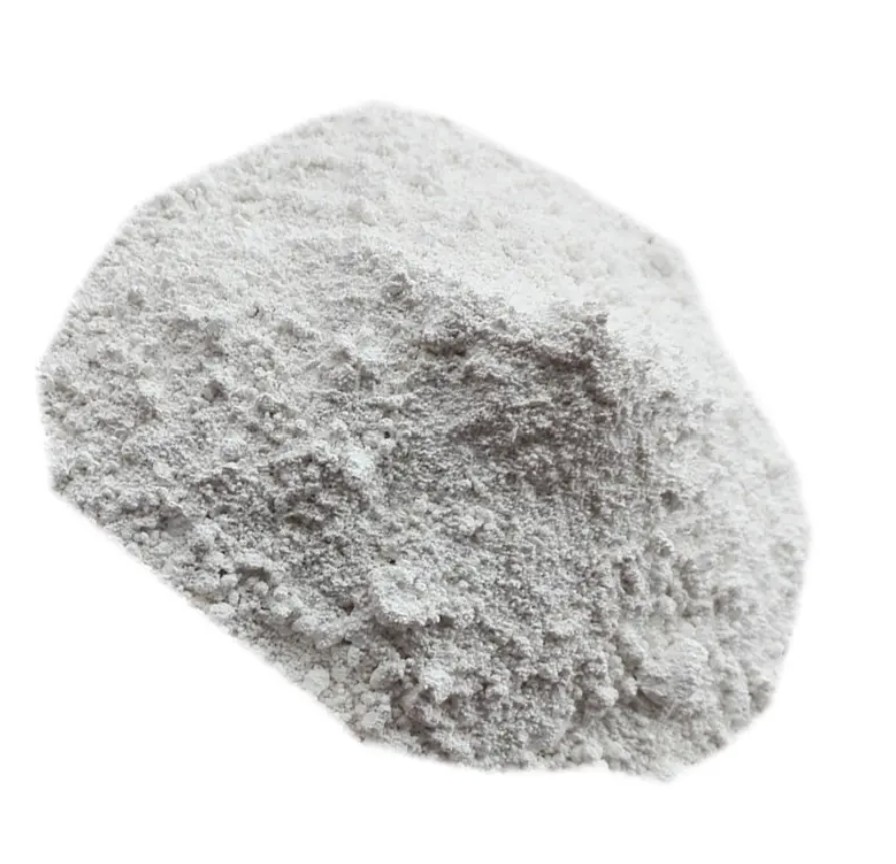
Cerium oxide, often referred to as ceria, is an oxide of the rare earth metal cerium. In its industrial form, it typically appears as a pale yellow to white powder. While it has applications in catalysis and fuel cells, it is most famous as the premier polishing agent for glass and silica-based materials.
Chemically represented as CeO₂, this material possesses a unique lattice structure that makes it distinct from other abrasives. While it measures between 6 and 7 on the Mohs hardness scale—making it softer than diamond or silicon carbide—its effectiveness does not rely solely on hardness.
The core value proposition of cerium oxide lies in its efficiency and finish quality. Ordinary abrasives function like a plow, digging into the surface to remove material. Cerium oxide, however, acts more like a chemical eraser. It provides a removal rate that is significantly faster than other oxides (like iron oxide or zirconium oxide) while leaving a surface that is optically clear and smooth. This makes it the standard choice for any application where light transmission and surface planarity are critical.
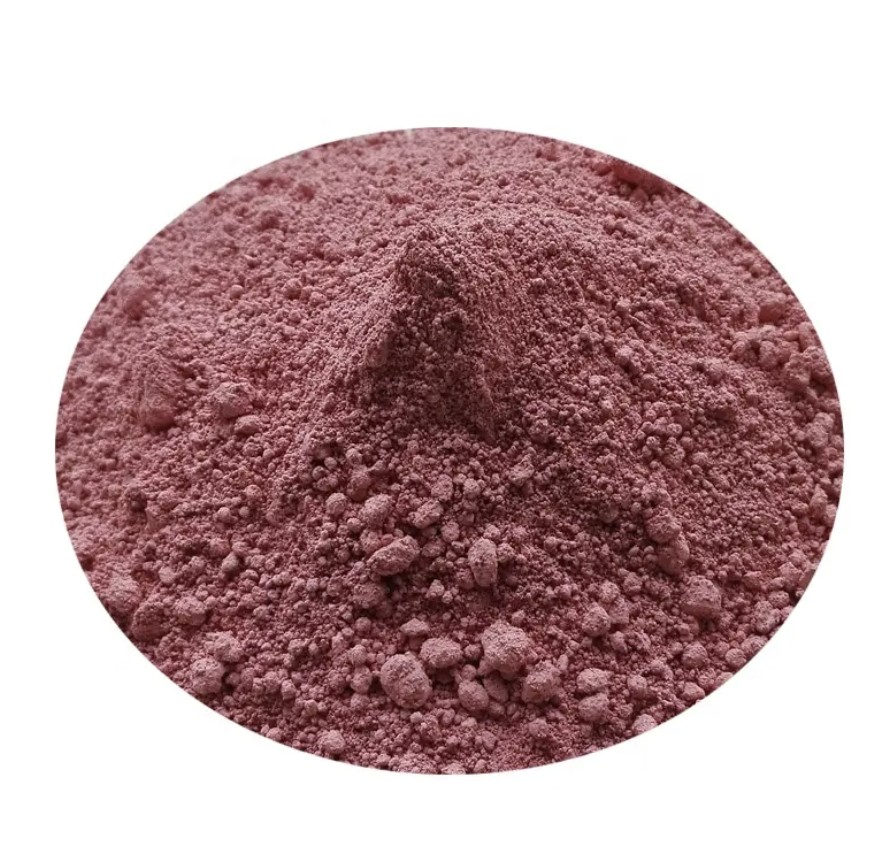
To understand why cerium oxide is superior for glass, you must look beyond simple friction. The polishing process is a dual-action phenomenon known as Chemical-Mechanical Polishing (CMP).
Mechanical abrasion creates the friction and heat necessary to activate the process. As the polishing pad rubs the cerium oxide slurry against the glass, the particles mechanically shear off the high points of the surface roughness. However, unlike inert abrasives, the cerium oxide does not stop there.
The true magic happens chemically. In an aqueous environment (slurry), the cerium atoms (specifically the Ce⁴⁺ ions) react with the silica (SiO₂) on the glass surface. This reaction hydrates the glass surface, forming a temporary, softer “cerium-silicate” layer. Because this layer is chemically softer than the underlying glass, the mechanical action of the polishing pad wipes it away easily.
This continuous cycle of softening and wiping allows material to be removed atom-by-atom rather than chunk-by-chunk. Consequently, CMP drastically reduces micro-scratches and sub-surface damage. The result is a surface finish that is not just smooth to the touch, but smooth at a microscopic level, essential for high-performance optics and electronics.
Not all cerium oxide powders are created equal. The performance of the powder depends heavily on its specific physical and chemical attributes.
With a Mohs hardness of roughly 6, cerium oxide is hard enough to abrade glass but soft enough to avoid deep gouging. Its high thermal stability (melting point around 2,400°C) means it will not degrade under the intense frictional heat generated during high-speed polishing. Chemically, it remains stable and resistant to alkalis, which is vital as many industrial polishing slurries are kept at a high pH to prevent particle agglomeration.
Cerium oxide has a high refractive index and is transparent in ultraviolet to infrared ranges. While this is more relevant to its use as a glass additive, in polishing, its purity ensures that no opaque contaminants are embedded into the lens or screen, preserving the optical integrity of the final product.
These properties directly dictate the “removal rate” (how fast you can polish) and the “surface quality” (how clear the result is). A highly pure, chemically active cerium oxide will strip away imperfections rapidly without introducing new defects, saving time and reducing rejection rates in manufacturing.
Selecting the correct particle size is perhaps the most critical decision in the polishing process. The size of the abrasive grain determines the trade-off between speed and smoothness.
Micron-sized (1µm - 10µm): Larger particles carry more kinetic energy and remove material faster. These grades are used for the initial stages of polishing where the goal is to level the surface and remove deep scratches or “orange peel” textures.
Submicron/Nano-sized (<1µm): These particles are used for the final finishing steps. They remove material much more slowly but are capable of achieving angstrom-level smoothness.
There is a direct correlation between particle size and Surface Roughness (Ra). Generally, the Ra value of the finished surface will be proportional to the size of the abrasive used. To achieve a “super-polished” surface suitable for lasers or semiconductors, manufacturers must step down from coarse micron grades to fine nano grades sequentially.
If you are repairing a car windshield, a standard micron-grade powder is sufficient and effective. However, if you are manufacturing a telescope mirror or a semiconductor wafer, you must finish with high-purity, nano-scale cerium oxide to ensure light waves or electrons travel without interference.
The versatility of cerium oxide makes it a staple across several everyday industries, particularly where glass is the primary material.
In the automotive world, cerium oxide is the go-to solution for removing wiper marks, water spots, and light scratches from windshields. It restores visibility without creating the optical distortions that can occur with aggressive sanding. Similarly, in architectural glass, it is used to polish beveled edges on mirrors and remove handling scratches from expensive window panes before installation.
For these applications, speed is often the priority. Cerium oxide offers the fastest removal rate for silicate glass compared to any other oxide abrasive. It allows technicians to repair expensive glass components rather than replacing them, offering significant cost savings and sustainability benefits.
While glass repair is the most visible application, the high-value work for cerium oxide occurs in advanced manufacturing.
Camera lenses, microscope optics, and corrective eyewear require surfaces that are virtually free of defects. Any imperfection can scatter light and degrade image quality. High-grade cerium oxide is used here to achieve surface figures accurate to a fraction of a wavelength of light.
In the electronics sector, “flat” has a different meaning. During the fabrication of LCD screens and semiconductor chips, layers of material are deposited and etched away. Between these steps, the surface must be perfectly planarized (flattened).
Semiconductors: As chips become smaller and faster, the requirement for surface flatness increases. Cerium oxide slurry is used to polish the silicon dioxide layers between metal circuits.
Displays: For OLED and LCD panels, the glass substrates and indium tin oxide (ITO) layers are polished to ensure uniform thickness, which is crucial for the display’s brightness and color consistency.
In these fields, consistency is key. Manufacturers require “narrow particle size distribution,” meaning all particles are roughly the same size. A single oversized particle in a batch of nano-polish could scratch a wafer, ruining a chip worth thousands of dollars.
Understanding where cerium oxide sits in the hierarchy of abrasives helps in choosing the right tool for the job.
Diamond is the hardest known material. It cuts extremely fast and works on any material, including sapphire and carbides. However, diamond is expensive and acts purely mechanically. It tends to leave deep, sharp scratches that are difficult to polish out on soft materials like glass.
Silicon carbide is excellent for aggressive grinding but lacks the chemical affinity for glass that cerium possesses. Aluminum oxide (alumina) is a close competitor and is often used for harder glass or metals. However, for standard silica glass, cerium oxide provides a superior finish in less time due to the chemical reaction described earlier.
Choose Diamond for ultra-hard materials like ceramics or tungsten carbide.
Choose Silicon Carbide for rough grinding and shaping of stone or metal.
Choose Cerium Oxide for final polishing of glass, mirrors, screens, and silica-based gems (like opal or quartz).
To get the best results, cerium oxide is almost always used as a slurry—a mixture of powder and water.
The ideal slurry concentration varies, but a typical starting point is a mixture that resembles heavy cream or milk (often 10% to 15% concentration by weight).
Mixing: Always mix the powder into the water slowly to prevent clumping. Use distilled water if working on precision optics to avoid mineral contamination.
Suspension: Cerium oxide is heavy and settles quickly. Continuous agitation or stirring is required during the polishing process to ensure the abrasive remains suspended and active.
For industrial applications, the pH of the slurry is monitored closely. A slightly alkaline environment helps keep the particles dispersed and prevents them from clumping together, which causes scratches. Additives or surfactants may be used to improve the “wetting” of the pad, ensuring the slurry covers the work surface evenly.
Heat Management: Polishing generates friction. If the slurry dries out, the heat can crack the glass or “burn” the polish into the surface. Keep the work area wet.
Cleanliness: Contamination is the enemy. A single grain of sand on your polishing pad will ruin the finish. Always clean the workpiece and tools thoroughly between stages.
As with any industrial chemical, using cerium oxide requires attention to safety and quality standards.
High-end applications demand “Opthalmic Grade” or “Electronic Grade” powders, which have purities exceeding 99.9%. Lower grades may contain larger abrasive contaminants or other rare earth elements that reduce efficiency.
While cerium oxide is chemically stable and generally considered low toxicity, it is a fine dust. Inhalation of any fine particulate is hazardous to the lungs.
Dust Protection: Always wear a NIOSH-approved dust mask or respirator when handling dry powder.
Ventilation: Use local exhaust ventilation or wet-polishing methods to keep dust out of the air.
Rare earth mining has a significant environmental footprint. Consequently, the industry is moving toward “slurry recycling.” Advanced filtration systems can capture used cerium oxide, remove the glass waste, and regenerate the slurry for reuse. This not only reduces waste but also mitigates the cost of raw materials.
Cerium oxide remains the undisputed champion of glass polishing. Its unique ability to combine mechanical abrasion with chemical softening allows it to achieve surfaces of breathtaking clarity and precision.
When choosing a cerium oxide powder, consider your end goal. For automotive repair or architectural glass, a standard high-grade micron powder offers the speed and efficiency you need. For precision optics or semiconductor work, investing in high-purity, nano-scale powders is essential to meet strict roughness specifications.
By understanding the science behind the slurry—the balance of particle size, suspension, and chemical reaction—you can harness the full potential of this remarkable material, turning rough, scratched surfaces into flawless, transparent perfection.
You can purchase cerium oxide directly from Ganzhou Wanfeng Advanced Materials Technology Co., Ltd. If you’re using cerium oxide for glass polishing, optical components, or CMP-related manufacturing, we can support you with a steady supply and practical guidance on selecting the right grade for your application.
To get started, it helps to share a few basics (so you receive the correct product, not a generic match):
Your application (e.g., cerium oxide glass polish, optics, electronics/CMP)
Target particle size range (micron vs. submicron)
Purity expectations and any internal QC requirements
Order quantity and shipping destination
Wanfeng’s goal is simple: connect rare earth materials with worldwide customers—with the quality consistency and service response manufacturers depend on.


