
close
Choose Your Site
Global
Social Media


Views: 0 Author: Site Editor Publish Time: 2026-04-08 Origin: Site


The world of rare earth elements is vast and plays an integral role in numerous high-tech applications. Among these elements, rare earth nitrates stand out as particularly significant compounds that have been increasingly recognized for their diverse and advanced effects across various industries. From energy storage systems to electronics manufacturing, these compounds offer unique advantages that are driving innovation in materials science.
At Ganzhou Wanfeng Advanced Materials Technology Co., Ltd., we specialize in the production and supply of high-quality rare earth nitrates. Our commitment to advancing materials technology is reflected in our range of rare earth products that are used in various high-tech industries. In this article, we will explore the advanced effects of rare earth nitrates, their applications, and why they are a crucial component in modern technological advancements.
Rare earth nitrates are compounds formed when rare earth elements combine with nitric acid. They are typically used as precursor materials in the production of rare earth oxides, which are in turn critical for a variety of industrial applications. Rare earth nitrates are highly soluble in water, which makes them versatile and easily incorporated into various chemical processes. The most commonly used rare earth elements in nitrate form include lanthanum, cerium, neodymium, and praseodymium.
These compounds play a key role in numerous applications, such as electronics, renewable energy systems, catalysts, and even advanced military technologies. Their unique properties, such as high thermal stability, magnetic properties, and catalytic effects, make them indispensable in many high-performance applications.
One of the most prominent advanced effects of rare earth nitrates is their contribution to the performance of electronic components. For example, neodymium and dysprosium, commonly found in rare earth nitrates, are used in the production of powerful magnets for electronics like hard drives, sensors, and electric motors.
The high magnetic properties of rare earth nitrates make them crucial in the development of miniaturized and efficient electronic devices. In the telecommunications industry, rare earth nitrates are used to manufacture components that require high precision and stability, such as in laser technologies and fiber optics.
These elements are also critical in the production of superconductors and advanced semiconductors, which are essential for faster and more efficient computing systems. As the demand for more compact and high-performing electronics grows, rare earth nitrates continue to support the evolution of the electronics industry.
The renewable energy sector has seen significant growth in recent years, driven by the global push for cleaner and more sustainable energy solutions. Rare earth nitrates are playing an essential role in enhancing the performance of energy storage technologies, helping to make renewable energy sources like wind and solar more viable and efficient.
Neodymium, for example, is a critical component in the production of permanent magnets used in wind turbines. These turbines convert kinetic energy from the wind into electrical energy, and neodymium-based magnets are known for their high magnetic strength, which is essential for efficient power generation. The role of rare earth nitrates in the production of these magnets makes them integral to the growth of wind energy, one of the fastest-growing renewable energy sources globally.
In addition to their role in renewable energy generation, rare earth nitrates are crucial in the development of advanced energy storage systems, such as batteries and supercapacitors. Rare earth elements improve the performance of batteries by enhancing energy density, charge capacity, and overall efficiency. This is particularly important in the context of lithium-ion batteries, which are commonly used in electric vehicles (EVs) and renewable energy storage systems.
The use of rare earth elements in lithium-ion batteries significantly contributes to improving their lifespan and efficiency. Rare earth nitrates help stabilize the chemical reactions within the battery, enhancing its overall performance and ensuring that it can be used for longer periods without degradation. This plays a crucial role in the widespread adoption of electric vehicles, solar energy storage, and other green technologies that rely on efficient and durable batteries. As more countries and industries prioritize sustainable energy solutions, the demand for rare earth nitrates in energy storage systems will only continue to grow.
In addition to their crucial role in energy systems, rare earth nitrates also have significant catalytic properties that are essential in various industrial processes. Rare earth elements such as cerium and lanthanum are widely used in catalytic converters, which are employed in vehicles and industrial applications to reduce harmful emissions. These catalysts help accelerate chemical reactions that break down toxic gases such as nitrogen oxides and carbon monoxide into less harmful substances, thus contributing to a cleaner environment.
In the automotive industry, the role of rare earth nitrates in catalytic converters cannot be overstated. These compounds are vital in ensuring that vehicles meet stringent emission standards, particularly in regions with high environmental regulations. By speeding up chemical reactions, rare earth nitrates help reduce the amount of pollutants released into the atmosphere, making them an essential component in efforts to combat air pollution and mitigate climate change.
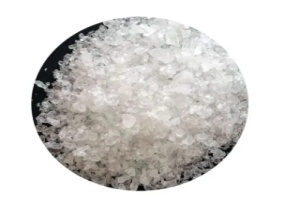
Rare earth nitrates are also integral to the production of advanced materials for high-tech manufacturing. These materials are used in a wide range of industries, from aerospace to medical devices, where performance and durability are paramount.
For example, rare earth nitrates are used to produce high-strength alloys that are resistant to heat and corrosion. These alloys are crucial for aerospace applications, where components must withstand extreme conditions. In the medical field, rare earth elements are used to create imaging devices and diagnostic tools that require high precision and reliability.
The advanced properties of these materials, such as high conductivity, resistance to oxidation, and unique chemical reactivity, make them indispensable in sectors that demand the highest levels of performance and reliability.
One of the most well-known applications of rare earth nitrates is in the production of high-performance magnets. These magnets, made from alloys that incorporate elements like neodymium and praseodymium, are essential for many modern technologies.
In addition to their use in electronics, high-performance magnets are crucial in electric motors, magnetic resonance imaging (MRI) machines, and magnetic levitation trains. The exceptional magnetic properties of rare earth materials enable these technologies to function more efficiently, offering better performance in a compact form factor.
As the demand for electric vehicles and renewable energy solutions grows, the need for high-performance magnets made from rare earth nitrates is expected to increase, driving innovation in these sectors.
As the world shifts towards cleaner energy sources, the demand for rare earth nitrates has risen significantly. These compounds play a crucial role in the production of renewable energy components, such as wind turbines, solar panels, and electric vehicles. By improving the efficiency and sustainability of these technologies, rare earth nitrates help reduce the overall environmental impact of industrial activities.
Furthermore, the economic value of rare earth elements is growing as industries increasingly rely on these materials to meet the demands of a rapidly evolving global market. The production of rare earth nitrates and other related compounds contributes to economic development in countries that have access to these resources, supporting growth in the manufacturing, energy, and technology sectors.
Rare earth nitrates are used in a variety of industries, including:
· Electronics: For producing powerful magnets and semiconductors.
· Energy: In wind turbines, batteries, and energy storage systems.
· Catalysis: In vehicle emissions control and industrial chemical processes.
· Materials Science: In the production of advanced alloys for aerospace, medical, and manufacturing applications.
Industry | Application | Benefit |
Electronics | Magnets for hard drives and motors | High magnetic strength and stability |
Energy | Wind turbines, batteries | Improved efficiency and storage capacity |
Catalysis | Automotive catalytic converters | Reduced emissions and enhanced efficiency |
Materials Science | High-strength alloys | Durability and resistance to heat and corrosion |
The advanced effects of rare earth nitrates are undeniable. From electronics to energy storage and high-performance materials, these compounds are essential to the success of modern technologies. Their versatility and unique properties make them crucial in various industries that are pushing the boundaries of innovation. At Ganzhou Wanfeng Advanced Materials Technology Co., Ltd., we are committed to producing high-quality rare earth nitrates to support industries that rely on these materials for superior performance. If you are interested in learning more about how our products can benefit your operations, contact us today for more information.
Rare earth nitrates are primarily used in the production of rare earth oxides, which are essential for a variety of applications, including electronics, energy storage, catalysts, and high-performance materials.
Rare earth nitrates improve the efficiency and energy density of batteries and energy storage systems, contributing to the performance of renewable energy technologies.
Yes, rare earth nitrates contribute to the development of green technologies, such as renewable energy systems and electric vehicles, helping to reduce environmental impact.
We specialize in the production of high-quality rare earth nitrates, supporting industries in their pursuit of innovation and efficiency across a wide range of applications.


