
close
Choose Your Site
Global
Social Media


Glass restoration presents a high-stakes reality. We constantly balance the steep cost of total glass replacement against the technical risks of DIY or professional polishing. Scratches, wiper marks, and hard water stains severely degrade visibility. You need a reliable, proven solution to correct these defects safely.
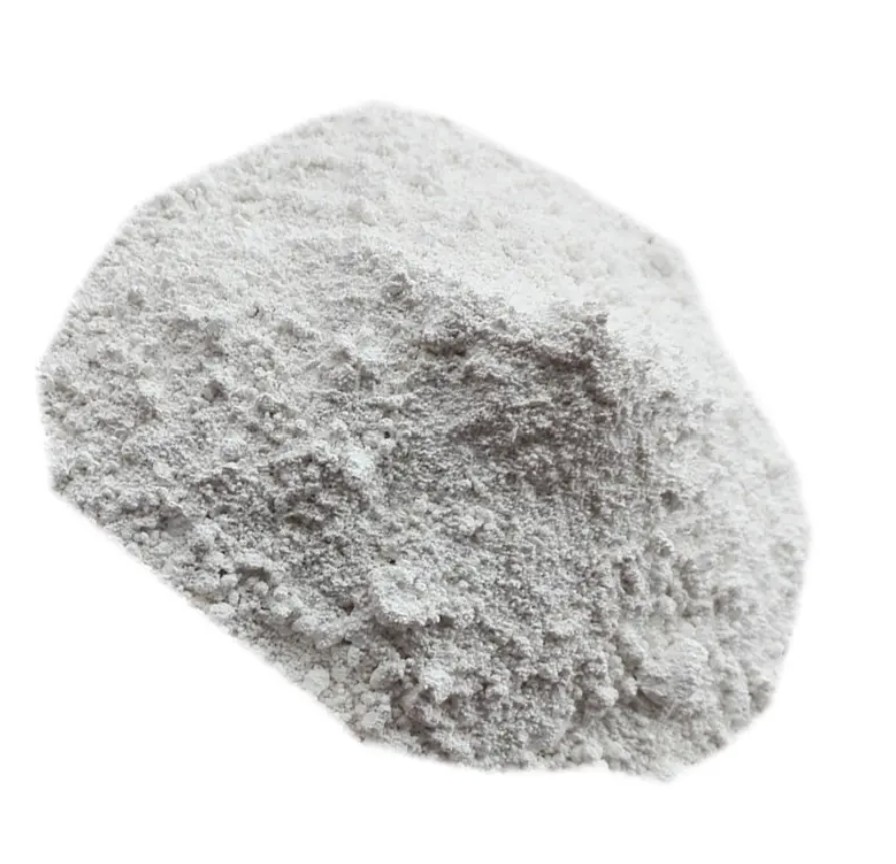
Cerium Oxide stands as the industry standard for precision glass correction. It earns this title through its dual mechanical and chemical polishing properties. This unique compound physically levels the surface while chemically bonding with silica. It leaves an optically clear finish.
However, successful deployment requires strict operational discipline. You cannot simply apply the compound and hope for the best. Precision glass correction demands strict heat management, proper tooling, and accurate problem diagnosis before application. In this guide, we explore the essential parameters for flawless glass restoration. You will learn the correct mixing ratios, machine control techniques, and critical risk mitigation strategies.
Viability: Cerium Oxide is highly effective for micro-scratches and wiper marks, but mathematically useless for deep gouges or chipped glass.
Preparation: The standard consumer mixing ratio is 2:1 (powder to lukewarm water) to achieve a creamy, paint-like consistency.
Risk Mitigation: Continuous lubrication (via deionized water) is mandatory; allowing the slurry to dry on the glass can cause irreversible damage.
Tooling: True scratch removal requires a Dual Action (DA) or rotary polisher paired with dedicated glass-polishing pads; hand application is generally insufficient for defect removal.
You must determine if a surface defect warrants polishing or full component replacement. Modern windshields often house complex Advanced Driver Assistance Systems (ADAS). Replacing these windshields costs hundreds or even thousands of dollars. Recalibrating the sensors adds further expense. Polishing saves substantial money. However, polishing requires time, specialized equipment, and skilled labor. If the damage proves too severe, attempting a polish wastes valuable resources.
Professionals use a simple, highly accurate method to diagnose scratch depth. We call it the fingernail test. This diagnostic step dictates your entire repair strategy.
Run a fingernail perpendicularly over the scratch.
If your nail catches in the groove, the scratch is too deep for polishing.
Deep gouges require professional resin filling or complete glass replacement.
Ideal polishing targets include wiper blade trails, hard water etching, and minor surface hazing.
You must recognize the strict operational boundaries of glass polishing. Never use these abrasive compounds on specially coated, tinted, or aftermarket-filmed glass. The mechanical friction will instantly strip these sensitive coatings. Factory-tinted privacy glass usually integrates the pigment inside the glass. This interior pigment remains safe. However, surface-applied films will fail immediately upon contact with a polishing pad.
Many abrasive compounds exist in the industrial sector. Yet, Cerium Oxide remains the premier choice for silica glass. We can compare its performance against common industrial alternatives to understand its superiority.
Abrasive Material | Mechanical Action | Optical Result | Primary Drawback |
|---|---|---|---|
Silicon Carbide (SiC) | Cuts material away extremely fast. | Leaves a coarse, hazy finish. | Cannot achieve true optical clarity on glass. |
Diamond Paste | Aggressive cutting via extreme hardness. | Effective but highly risky. | Expensive and easily introduces new micro-scratches on softer materials. |
Aluminum Oxide (Alumina) | Standard physical abrasion. | Smooth, but lacks ultimate clarity. | Lacks the unique chemical-mechanical bond required for silica glass. |
Cerium Oxide | Dual chemical and mechanical leveling. | Superior surface smoothness. | Requires strict heat and moisture management. |
Diamond paste operates strictly through brute mechanical force. It carries a high risk of optical distortion. Cerium Oxide registers at a Mohs hardness of 6 to 7. This provides a much safer, more economical margin of error. Furthermore, it creates a unique chemical-mechanical bond with silica glass. Aluminum oxide cannot replicate this reaction. This dual-action mechanism yields an unmatched, factory-clear finish.
Many beginners focus on the price of the polishing powder. This is a mistake. The cost of the powder is negligible. The total equipment required for a safe application drives the true budget. True scratch removal requires specialized mechanical intervention. Hand polishing will only remove mild hard water stains. You must invest in proper machinery to achieve actual defect removal.
To execute a flawless glass restoration, you need a highly specific set of tools. Do not substitute these items with generic garage supplies.
High-purity powder: Choose high-grade powder or a specialized pre-mixed detailing compound.
Dual Action (DA) polisher: DA machines drastically lower the risk of burning the glass compared to standard rotary machines.
Glass polishing pads: Use rayon or specialized tight-pore pads. Foam paint pads absorb too much slurry and fail to cut glass.
Masking tape and plastic sheeting: High-quality masking materials are critical for damage prevention.
Spray bottle: Fill this exclusively with Deionized (DI) water.
The chemical application scales differently depending on the operating environment. Individual users and automotive detailers typically use a thicker paste. They mix a 2:1 powder-to-water ratio. This thick slurry clings to vertical windshields without excessive dripping.
Conversely, industrial applications utilize a thinner mixture. For example, Chemical Mechanical Planarization (CMP) processes in LCD screen manufacturing use a 1:2 slurry ratio. This heavily diluted mixture optimizes flow rates for automated feed systems. It allows continuous, high-volume manufacturing without clogging the machinery.
Thoroughly decontaminate the glass before you begin. Wash the surface with a high-quality detergent. Use a detailing clay bar to extract embedded metallic fallout. Any trapped dirt acts as a secondary abrasive. If you trap a grain of sand under your polishing pad, it will create deep, permanent gouges.
Next, isolate the work area. Mask off all surrounding rubber trims, paintwork, and bare plastics. Polishing at high speeds creates heavy "sling" or splatter. The compound acts like liquid cement. Once it cures on porous plastic trim, it becomes incredibly difficult to remove. Tape off edges meticulously.
Start by pre-soaking your rayon polishing pad in warm water. A dry pad will aggressively absorb the moisture from your mixture. It will dry out the compound prematurely. Wring out excess water until the pad remains slightly damp.
Mix two parts of Cerium Oxide powder with one part lukewarm water. Lukewarm water activates the powder more efficiently than cold water. Stir the mixture continuously. You want the compound to reach a uniform, creamy, paint-like consistency. This specific viscosity ensures maximum pad adhesion and prevents the slurry from instantly running down the glass.
Apply three to four pea-sized drops of the paste directly to your damp pad. Press the pad against the glass before pulling the trigger. This prevents immediate splatter.
Auto detailers rely on a critical safety protocol: always test on the passenger side first. Never begin your polish directly in the driver’s line of sight. This test area helps you gauge the cut rate and monitor for unexpected hazing. Operate the DA machine at high speeds. Apply firm, even downward pressure. Use overlapping, methodical passes. Move the machine in a cross-hatch pattern to ensure uniform material removal.
Friction generates extreme heat rapidly. The polishing powder itself possesses a massive thermal capacity. It easily withstands temperatures up to 2400°C. However, the underlying automotive or architectural glass lacks this resilience. If the glass overheats, it will warp, distort, or catastrophically shatter.
Solution: Continuously monitor the surface temperature. Place the back of your hand on the glass. If it feels uncomfortably hot, stop immediately. Continuously mist the work area with DI water. This vital lubrication keeps temperatures down and keeps the slurry chemically active.
Managing moisture dictates your overall success. You face a severe risk if you neglect hydration during the polishing cycle.
Warning: Never allow the slurry to completely dry on the glass surface during operation. When the compound dries under the extreme friction of a polishing pad, it bonds excessively to the silica. This causes permanent optical distortion. The glass will take on a funhouse mirror effect. Keep your spray bottle in your non-dominant hand. Mist the pad the moment the slurry begins to look chalky.
Industrial chemicals demand professional respect. This powder is fine, highly particulate, and slightly hygroscopic. It absorbs moisture from its surrounding environment, including your respiratory tract.
Inhalation risks are severe during the dry mixing phase. You must wear a particulate respirator, rated N95 or better, while handling the raw powder. Safety goggles are equally mandatory. Once the powder mixes into a wet slurry, the airborne inhalation risk drops. However, sling from the machine can still strike your eyes. Protect yourself accordingly.
When purchasing your materials, look closely at the technical specifications. Seek out suppliers that guarantee optical-grade purity. Pay special attention to the specified micron sizes. Micron size dictates the aggressiveness of the abrasive.
Larger micron sizes cut faster. They remove deeper wiper marks efficiently but leave a slight haze. Smaller micron sizes yield a pristine, high-definition polish but feature much slower cut rates. Professionals often keep multiple micron grades on hand. They step down from coarse to fine, much like automotive sandpaper.
Consumers face a choice between dry powder and bottled pre-mixed solutions. Pre-mixed compounds offer immediate convenience. They often contain advanced suspension agents. These agents prevent the heavy abrasive particles from sinking to the bottom of the bottle. However, they carry a significantly higher price per ounce.
Dry powder offers superior logistical advantages. It boasts an indefinite shelf life if stored correctly. It also allows you to formulate highly customizable cut rates. You can mix a thick paste for heavy scratch removal or a watery slurry for final finishing. For professional or frequent use, dry powder delivers superior ROI.
Before you begin your restoration project, follow a strict sequence of events. First, assess the scratch severity using the fingernail test. Second, calculate your tooling TCO against the cost of a full glass replacement. Ensure the financial math makes sense. Finally, acquire the appropriate PPE, pads, and compounds before attempting any mechanical polishing. Preparation prevents expensive failures.
Glass restoration demands patience, precision, and the right chemistry. Cerium Oxide is not a magic eraser. It is a specialized industrial abrasive. It requires sustained mechanical action, rigorous thermal discipline, and the correct chemical mixture to succeed.
Always respect the physical limits of the material. Pushing too hard on deep scratches will compromise the structural integrity of the glass. Overheating the surface will cause catastrophic cracking. Prioritize continuous lubrication, monitor your surface temperatures, and master your machine movements. By adhering to these strict operational standards, you can restore optical clarity safely and effectively.
A: No. It is strictly for surface-level micro-scratches. Deep pits require structural resin fills. Attempting to level a rock chip with polish will only create a localized dip, severely distorting optical clarity.
A: Not recommended. Drills lack a uniform, flat backing plate and orbital motion. This vastly increases the risk of uneven optical distortion ("funhouse mirror" effect) and highly localized heat buildup.
A: Tap water contains minerals like calcium and magnesium. These impurities can leave microscopic scratches or bake into hard water spots during the high-heat polishing process. DI water ensures a contaminant-free operation.
A: Store it in an airtight container in a cool, dry place. The powder is mildly hygroscopic. It absorbs ambient moisture easily. If exposed to standard room humidity over time, it will clump and lose effectiveness.


