
close
Choose Your Site
Global
Social Media


Views: 0 Author: Site Editor Publish Time: 2026-08-28 Origin: Site


Integrating a new abrasive into an optical polishing workflow isn't a simple plug-and-play process. It demands precise alignment between slurry chemistry, machine parameters, and target surface tolerances. You cannot rush this integration phase. Sub-optimal integration quickly leads to higher reject rates, localized scratching, and inefficient removal rates. Switching your core abrasives or scaling up production requires a highly controlled implementation plan. Without a proper strategy, you risk damaging expensive glass substrates.
This guide outlines the critical evaluation criteria, system setup requirements, and supplier validation steps. We will explore how to successfully deploy cerium oxide powder into your optical polishing lines with minimal disruption. You will learn exact methods to maintain high-yield optical finishes consistently.
We must establish baseline requirements before mixing any slurry. You need to define success criteria for your specific optical components. Identify precise scratch-dig ratios for the final product. Set clear surface roughness (Ra) goals. Determine your targeted removal rates. Once you define these operational goals, you can effectively match cerium oxide powder specifications to your manufacturing needs.
Particle Size Distribution (PSD) plays a massive role in polishing success. Tightly controlled PSD mitigates serious manufacturing risks. Rogue large particles cause deep scratching during final polishing phases. You must monitor the D99 metric closely. This metric indicates the maximum particle size limits. A low D99 ensures you avoid these dangerous large particles. The D50 metric indicates average particle size. This average dictates your overall material removal rate.
You also need to understand chemical versus mechanical action. This abrasive offers a unique dual-action nature. The formulation balances mechanical abrasion with vital chemical reactivity. Silicate glasses require this chemical reaction to polish efficiently. The abrasive interacts with the glass hydration layer. It breaks atomic bonds chemically while removing material mechanically. You must balance both actions for optimal clarity.
Finally, evaluate suspension and settling rates carefully. The powder must remain suspended in water reliably. Powders settling too quickly require aggressive system agitation. They also risk clogging delivery lines over time. Good suspension characteristics keep the active particles readily available at the pad interface.
Best Practice: Always request comprehensive PSD charts from manufacturers. Compare the D50 and D99 values against your most sensitive glass substrates.
Common Mistake: Relying solely on average particle size (D50) while ignoring the maximum particle size (D99). This oversight guarantees unpredictable scratching.
The following chart illustrates how different specifications align with common optical tolerances.
| Optical Component Type | Typical Scratch-Dig Target | Required D50 (Average Size) | Required D99 (Maximum Size) |
|---|---|---|---|
| Commercial Flat Glass | 80-50 | 1.5 µm - 2.5 µm | < 10 µm |
| Standard Precision Optics | 60-40 | 1.0 µm - 1.5 µm | < 5 µm |
| High-Precision Laser Optics | 10-5 | 0.5 µm - 1.0 µm | < 3 µm |
Mixing and agitation infrastructure requires careful attention. Slurry tanks require specific hardware setups to function properly. We recommend conical bottom tanks for optimal circulation. Continuous, uniform agitation is an absolute necessity. It maintains the correct specific gravity throughout the entire polishing cycle. Operators usually measure this concentration via Baumé readings. Inconsistent agitation causes density variations. These variations lead to unpredictable removal rates across different machine spindles.
Flow rate and delivery parameters dictate operational success. You must calculate optimal slurry flow to the polishing pad. Too little slurry causes severe pad glazing. It starves the interface and creates unwanted heat buildup. Conversely, too much slurry causes hydroplaning. Hydroplaning drastically reduces mechanical removal efficiency. It also wastes expensive raw materials unnecessarily. You should install adjustable flow meters on every delivery line.
Temperature and pH control prevent severe implementation risks. Friction naturally generates significant heat during polishing operations. This heat can alter slurry chemical reactivity rapidly. It can also deform pitch or polyurethane polishing pads. Pad deformation ruins the physical geometry of your optical components. You should install continuous temperature monitors. Adding automated pH sensors helps maintain the optimal chemical balance.
Best Practice: Keep slurry temperatures strictly between 20°C and 25°C. Utilize inline chillers if your facility experiences high ambient temperatures.
Common Mistake: Using square mixing tanks. Square corners create dead zones where heavy particles settle and harden permanently.
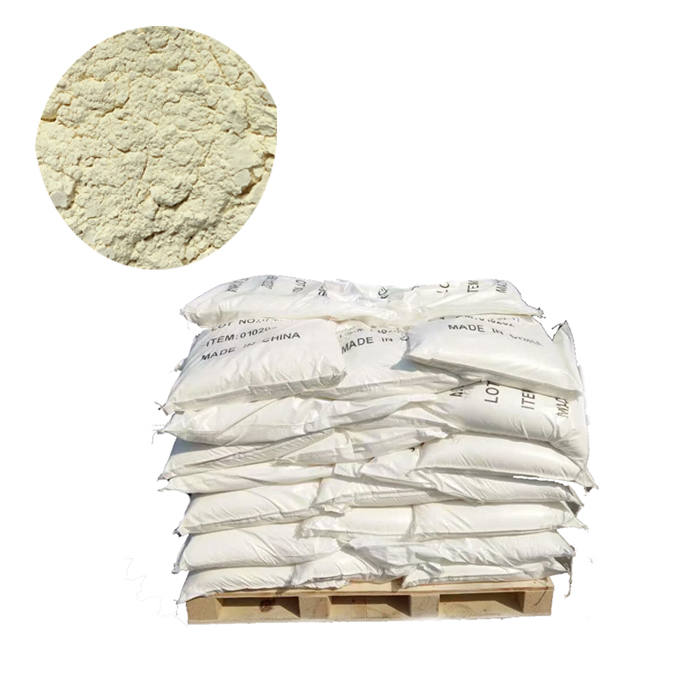
You must evaluate standard versus custom options objectively. Standard formulations work exceptionally well in many conventional cases. Off-the-shelf powders suit standard flat glass applications perfectly. They handle commercial-grade optics and initial rough polishing effectively. If your facility produces mirrors or architectural glass, standard blends offer excellent reliability.
However, complex manufacturing scenarios demand precise customization. You might require a custom cerium oxide powder to hit strict tolerances. Proprietary lens curvatures often require specialized blends. Unique glass alloys like high-index or fluorite glasses need tailored chemical reactivity. Standard formulations might scratch these sensitive materials. Custom blends can also include specific suspension additives. These additives keep particles afloat during long polishing cycles on large telescope mirrors.
You must perform a strict cost-to-outcome analysis next. Evaluate if higher upfront costs offset long-term operational expenses. Custom formulations often yield significantly faster cycle times. They typically reduce final inspection scrap rates. You might also notice longer pad life due to optimized chemistry. Do not focus solely on the initial purchase price. Look at your overall throughput and yield improvements.
Here are several indicators you need a customized formulation:
We must address common adoption risks proactively. Agglomeration and hard caking plague many optical facilities. Powder hardens inside pipes or tanks during routine machine downtime. You must establish strict system flushing protocols. Proper re-suspension routines prevent blockages upon restart. Never leave stagnant slurry in delivery lines over the weekend. Flush all lines with deionized water before shutting down pumps.
Pad glazing and tool wear also halt production unexpectedly. Incorrect powder concentrations lead directly to glazing. Mismatched pad hardness exacerbates this operational issue. When pads glaze, they lose their porous texture. You must condition them frequently using diamond tools. This conditioning wastes valuable production time and degrades the pad prematurely.
Implementing a new optical polishing cerium oxide powder requires methodical care. We highly recommend a phased pilot testing protocol. Do not push new slurry directly into full production immediately. A controlled rollout isolates variables and protects your main manufacturing lines.
Follow this structured pilot testing protocol:
Choosing the right industrial partner matters immensely. You must vet your cerium oxide powder supplier carefully. Focus primarily on batch-to-batch consistency. Request their complete quality assurance (QA) documentation. Verify their strict adherence to stated PSD limits across multiple historical deliveries. Consistency matters far more than aggressive initial pricing. An inconsistent batch can ruin thousands of dollars in raw optical glass.
Evaluate their supply chain transparency closely. Assess their sourcing stability for raw rare earth elements. Global rare earth markets experience sudden shortages. They also suffer from drastic price fluctuations regularly. Transparent suppliers mitigate these risks effectively. They maintain strategic reserves to keep your production lines running smoothly. Ask them directly about their supply chain redundancies.
Value technical support and troubleshooting capabilities highly. A great supplier offers on-site or advanced engineering support. They assist in slurry formulation actively. They also help optimize machine parameters during the initial installation phase. This support proves invaluable when adopting unfamiliar materials. A supplier who abandons you after delivery creates massive operational bottlenecks.
Best Practice: Request Certificates of Analysis (CoA) from three consecutive batches. Compare the D50 and D99 variance between them.
Common Mistake: Choosing a supplier based purely on the lowest price per kilogram. Cheaper powders often contain hard impurities that cause catastrophic scratching.
Proper integration bridges a critical gap in manufacturing. It connects raw abrasive material to a repeatable, high-yield optical finish. You must approach this transition systematically. Define your tolerances, optimize your slurry infrastructure, and validate your mixing procedures. Taking these steps eliminates guesswork and stabilizes your daily production output.
Advise your production managers to compile current workflow data immediately. Gather precise details on pad types, machine speeds, and glass substrates. Request technical data sheets from shortlisted partners based on this data. Finally, ask for pilot samples to begin your isolated testing phases today.
A: Ratios typically range between 2 to 10 ounces of powder per gallon of water. Exact concentrations depend heavily on your target Baumé reading. You must adjust this ratio to match your specific machine requirements and surface finish goals. Testing small batches helps determine the optimal baseline.
A: Thoroughly clean the entire delivery system first. Flush all tanks, pumps, and lines carefully. This removes dangerous cross-contamination from previous abrasives. Strictly monitor the new powder's PSD for rogue large particles. Implement continuous filtration to catch contaminants before they reach the polishing pad.
A: Yes, custom blends frequently improve cycle times. They often incorporate specific additives keeping the slurry suspended much longer. These blends optimize the chemical reaction at the glass surface directly. This optimization allows for higher feed rates. You achieve faster material removal without sacrificing crucial optical clarity.
A: Focus primarily on the D50 and D99 metrics. D50 indicates average particle size. D99 shows the maximum particle size limits. You must review purity levels and suspension characteristics closely. Ensure these documented metrics align perfectly with your baseline optical tolerances to avoid massive production failures.


