
close
Choose Your Site
Global
Social Media


Views: 0 Author: Site Editor Publish Time: 2026-08-31 Origin: Site


Operational downtime in heavy manufacturing and high-tech production isn't just caused by mechanical failure; it is frequently triggered by inconsistent supply and poor quality control of critical inputs. When dealing with volatile supply chains and highly sensitive metallurgical processes, reactive procurement often fails. Loose material tolerances quickly lead to batch rejections, premature equipment wear, and completely stalled production lines. These invisible friction points quietly drain resources long before an alarm sounds on the factory floor. We must rethink our approach to operational uptime. Maintaining a continuous, high-yield production cycle requires shifting "maintenance" upstream. You achieve this by applying rigorous preventative strategies to how you specify, source, and manage your inventory. By strictly controlling your base inputs, you prevent cascading delays. This article will show you how exact specifications, strategic bulk handling, custom formulations, and rigorous supplier vetting systematically eliminate hidden downtime.
Trace impurities silently sabotage manufacturing schedules. Standard inputs often contain trace amounts of iron, calcium, or unchecked moisture. These contaminants cause erratic magnetic or conductive properties during the final assembly phases. When these parameters drift, you face immediate high scrap rates. Whole production batches require extensive, time-consuming rework. Poor baseline material integrity essentially guarantees future equipment halts. You cannot build stable products on an unstable chemical foundation.
You must establish non-negotiable thresholds for your manufacturing inputs. Implementing strict rare earth raw material specifications is an active maintenance strategy. You need to control particle size distributions tightly to ensure uniform melting behaviors. Precise oxidation levels prevent catastrophic bubbling and structural weaknesses during smelting. High elemental purity guarantees stable, predictable magnetic properties in the final product. Strict adherence to these exact specs drastically reduces the need for reactive calibration. Operators spend less time adjusting machine settings and more time running continuous batches.
Furthermore, standard inputs often degrade your physical hardware. Inconsistent material density forces milling equipment to work much harder. Abrasive impurities grind down mixing blades. This vibration damages delicate bearings inside your rotary kilns. Consistently pure rare earth raw material minimizes this mechanical friction. Clean, uniform powders naturally extend your machinery's maintenance intervals.
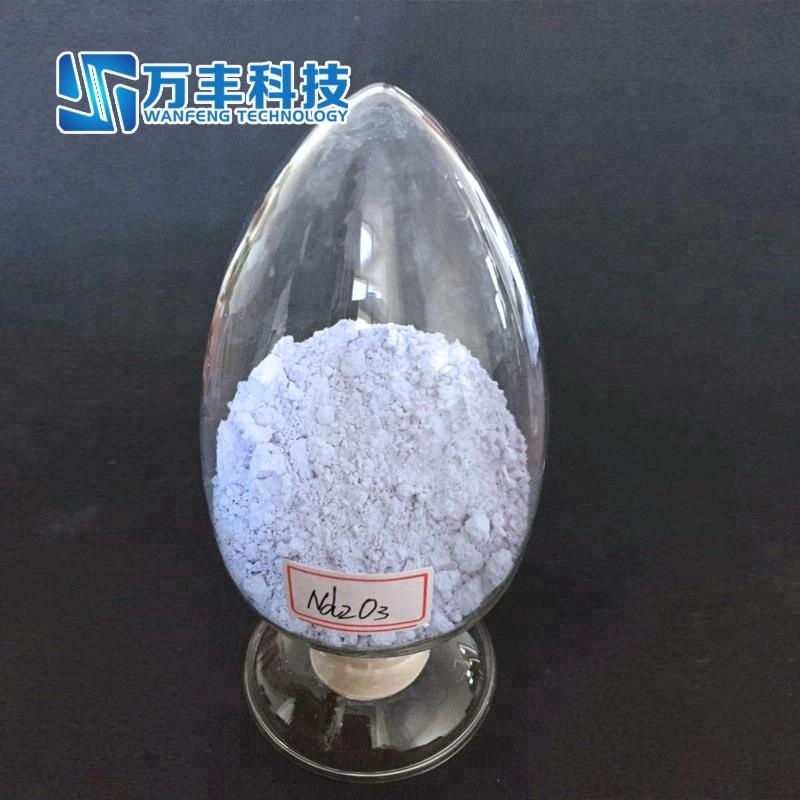
Industry heavyweights rely heavily on imported critical minerals. This extreme dependency carries immense operational risk. Geopolitical tensions, export quotas, or simple shipping bottlenecks instantly halt domestic production lines. You cannot manufacture high-tech motors if your core oxides sit stranded in a distant port. Supply chain vulnerability directly equates to severe mechanical downtime. You must manage inventory proactively to prevent these logistical nightmares.
Manufacturers must adopt specific inventory management strategies. You might consider purchasing and holding bulk manufacturing rare earth raw material to create a localized buffer. However, bulk storage requires specialized handling. Highly reactive elements degrade rapidly over time if exposed to ambient air. You need advanced, climate-controlled storage environments. Nitrogen-purged or argon-sealed containers prevent oxidation and moisture absorption.
We must compare modern buffer stock models carefully. Just-In-Time (JIT) manufacturing works poorly for highly specialized oxides. A single localized shipping delay stops your entire assembly line. Conversely, strategic stockpiling absorbs these external shocks smoothly. You maintain production targets even when global markets freeze unexpectedly.
| Strategy Model | Vulnerability to Shocks | Material Degradation Risk | Downtime Prevention Rating |
|---|---|---|---|
| Just-In-Time (JIT) | Extremely High | Low (materials used immediately) | Poor |
| Standard Warehousing | Moderate | High (ambient moisture exposure) | Fair |
| Strategic Climate-Controlled Stockpiling | Low | Very Low (inert gas storage) | Excellent |
Integrating circular economy feeds offers another excellent defense mechanism. Recovered rare earth metals extracted from electronic waste provide a viable secondary supply buffer. You process specialized e-waste to recover valuable dysprosium or neodymium. This closed-loop system acts as a local safeguard. It maintains your uptime when primary mining sources face sudden constraints.
Standard off-the-shelf inputs often fall short of modern engineering demands. They carry hidden operational penalties. Forcing standard-grade materials into highly specialized manufacturing processes wastes valuable time. Smelting times increase dramatically because the chemical composition varies. You often need additional chemical treatments or fluxing agents to correct baseline deficiencies. These extra refinement steps create massive processing bottlenecks on your factory floor.
Tailored inputs solve this throughput problem immediately. Consider investing in custom rare earth raw material. Pre-alloyed formulations eliminate entire processing steps. Custom-doped oxides melt faster and blend more uniformly during the calcination phase. Your operators skip complex preliminary mixing routines completely. This streamlining significantly reduces the mechanical stress placed on your induction furnaces.
You must balance the procurement factors logically. Custom materials certainly demand a higher upfront purchase price. However, they deliver quantifiable, immediate reductions in manual labor hours. They drastically lower energy consumption during the heavy refinement stages. Most importantly, they prevent machine downtime caused by emergency material correction processes. You spend more initially, but you secure uninterrupted, highly efficient manufacturing throughput.
| Operational Metric | Standard Grade Material | Custom Formulated Material |
|---|---|---|
| Average Smelting Time | 12 - 14 Hours | 8 - 9 Hours |
| Chemical Additives Required | High (Flux & Correctors) | None (Pre-alloyed) |
| Furnace Maintenance Frequency | Every 30 Days | Every 45 Days |
| Batch Rejection Rate | ~4.5% | < 0.5% |
Common mistakes in this phase include ignoring the energy expenditures required to force standard materials into compliance. Always measure the time your machines spend correcting poor inputs. That time represents lost manufacturing revenue.
Compliance bottlenecks halt production lines just as effectively as broken gears. Opaque sourcing creates unacceptable, enterprise-level operational risks. Environmental regulations shift rapidly across different global jurisdictions. Trade tariffs change almost overnight based on political climates. Undocumented or ethically questionable materials can suddenly become legally unusable. If compliance inspectors flag your current inventory, your production stops immediately.
Digital traceability passports prevent this specific type of compliance downtime. Advanced blockchain ledgers and digital tracking systems maintain a verified, immutable chain of custody. You can track a single batch of material from the extraction mine directly to your factory floor. Digital tracking proves exact geographic origin, labor practices, and ecological processing methods. It removes ambiguity completely.
Audits should never cause operational pauses. Partnering with transparent sources guarantees smooth, continuous operations. Audit-ready operations pass ESG compliance checks effortlessly. You avoid severe legal friction, costly fines, and public relations disasters. Supply chain transparency is a fundamental, non-negotiable maintenance tool for modern manufacturing.
Choosing an enterprise partner dictates your long-term operational uptime. You need a rigorous decision-stage framework to evaluate potential vendors. Do not rely solely on pricing. Evaluate specific, technical criteria to guarantee continuous manufacturing flow.
First, scrutinize their internal Quality Assurance infrastructure. Does your prospective rare earth raw material supplier possess in-house spectrometry testing? Do they use third-party metallurgical verification for unbiased reporting? Independent testing guarantees you receive exactly what you ordered. It ensures the chemical consistency necessary for stable production runs.
Second, assess their true scalability and financial health. A vendor might perform perfectly during small pilot testing. Can they maintain strict quality consistency when you scale up to full production? Financial stability ensures they survive global market fluctuations without cutting corners on your orders. A financially weak supplier will eventually send you compromised materials.
Third, demand robust contingency planning documents. Examine their Service Level Agreements carefully. You need explicit delivery fail-safes written into the contract. Ask about their secondary sourcing capabilities. If their primary processing facility floods, how quickly can they route alternative supplies to your factory? You need guarantees, not assumptions.
Treating material procurement and specification enforcement as a core part of operational maintenance directly preserves your revenue. It cuts downtime drastically. When you enforce strict physical and chemical tolerances, you protect your machinery from abrasive wear and erratic processing times. Strategic bulk storage protects you from geopolitical supply shocks. Tailoring your inputs to your specific manufacturing processes eliminates unnecessary, time-consuming refinement steps on the factory floor.
Take proactive steps today. Advise your decision-makers to audit their current batch rejection rates immediately. Initiate a comprehensive specification review alongside your senior engineering teams. Identify exactly where standard inputs cause workflow friction or mechanical degradation.
Stop accepting preventable delays. Encourage your procurement teams to consult with a specialized supplier. Run a controlled pilot test using high-specification or custom rare earth inputs. Measure the resulting increase in machine uptime and throughput efficiency. By shifting your maintenance focus upstream to the raw material level, you secure a highly profitable, uninterrupted manufacturing future.
A: Precise sizing and purity reduce chemical abrasion and slag buildup, lowering the frequency of required mechanical maintenance. Clean materials prevent your milling and mixing equipment from working harder than necessary, which naturally extends bearing and blade lifespans.
A: Yes, provided you factor in the cost of proper storage to prevent oxidation and calculate the ROI based on mitigated downtime during supply shocks. Climate-controlled stockpiling protects your production line from freezing during sudden global logistical bottlenecks.
A: Look for verifiable third-party lifecycle assessments (LCAs), transparent mine-to-market traceability data, and clear environmental compliance certifications. Refuse suppliers who only offer generic declarations without batch-specific, digitally verifiable tracking data.


