
close
Choose Your Site
Global
Social Media


Views: 0 Author: Site Editor Publish Time: 2026-04-02 Origin: Site


In the world of advanced materials and industrial applications, rare earth nitrates play a pivotal role. These compounds, derived from rare earth metals, are critical in various high-tech industries such as electronics, renewable energy, and manufacturing. Their unique chemical properties make them indispensable in the production of powerful magnets, batteries, and catalysts. At Ganzhou Wanfeng Advanced Materials Technology Co., Ltd., we specialize in producing high-quality rare earth nitrates that are used in multiple applications worldwide.
Rare earth nitrates are part of a broader family of rare earth compounds, which include both elements and alloys that are essential for modern technology. Despite their name, rare earth elements are relatively abundant in the Earth's crust. However, their extraction and refinement into usable forms like nitrates require specialized processes.
Rare earth nitrates are compounds made by combining rare earth elements with nitric acid. These elements, found in the lanthanide series of the periodic table, include metals such as lanthanum, cerium, neodymium, and dysprosium, among others. The nitrate form of these elements is produced by dissolving the rare earth oxides or carbonates in nitric acid. The resulting solution is a mixture of rare earth nitrates, each corresponding to a specific rare earth element.
These nitrates are generally water-soluble and are used as precursors in the synthesis of more complex rare earth compounds. The structure of rare earth nitrates is significant for their behavior in various chemical processes, particularly in applications that require high thermal stability or unique catalytic properties.
There are several types of rare earth nitrates, each derived from a different rare earth metal. The most common types include:
· Lanthanum Nitrate – Widely used in catalysts and the production of phosphors for displays.
· Neodymium Nitrate – Essential for the production of strong permanent magnets used in motors and other electronic devices.
· Cerium Nitrate – Used in automotive catalytic converters and in the production of cerium oxide, which is used for polishing and as a catalyst.
· Dysprosium Nitrate – Important for the development of high-performance magnets in electric vehicle motors and wind turbine generators.
These different nitrates are crucial for various manufacturing processes, from electronics to renewable energy, where their unique properties are indispensable.
Rare earth nitrates are compounds derived from rare earth elements, which play a pivotal role in modern technology and industrial processes. These versatile compounds are integral to various sectors, including electronics manufacturing, chemical processes, energy production, and lighting applications. Below, we delve into the diverse applications of rare earth nitrates in different industries and how they contribute to technological advancements and sustainability.
Rare earth nitrates are essential in the production of advanced electronics, where precision and miniaturization are paramount. Neodymium and dysprosium nitrates, for instance, are used in the creation of high-performance permanent magnets. These magnets are critical for the miniaturization of motors and electronic components, making them smaller, lighter, and more efficient.
Neodymium magnets, which are created using neodymium nitrate, are commonly found in devices such as computer hard drives, smartphones, loudspeakers, and electric vehicle (EV) motors. The efficiency and small size of these magnets have played a significant role in improving the performance of modern electronic devices. Without rare earth nitrates, the compact, high-performance magnets that power many of today's essential devices would not be possible. As the demand for smaller, more powerful electronics continues to grow, the importance of rare earth nitrates in the electronics industry will only increase.
In the chemical industry, rare earth nitrates are widely used as catalysts in various chemical reactions. Catalysts are substances that increase the rate of a chemical reaction without being consumed in the process. Cerium nitrate, in particular, is extensively used in automotive catalytic converters, which help reduce harmful emissions from vehicle exhaust systems.
The role of rare earth nitrates in catalytic processes extends beyond automotive applications. They are also used in the refining of petrochemicals, in the production of fertilizers, and in environmental protection technologies. Catalysts made from rare earth nitrates are essential for improving the efficiency of industrial processes, helping to reduce energy consumption, lower costs, and mitigate environmental impact. Without the use of these specialized catalysts, many important chemical reactions would proceed at much slower rates or require higher energy inputs.
Rare earth nitrates are also crucial in the energy sector, particularly in the development of clean and renewable energy technologies. Neodymium, for example, is a key component in the production of high-efficiency magnets used in wind turbines. The magnets made from neodymium and dysprosium are critical for harnessing wind energy, enabling turbines to generate power more efficiently.
Lanthanum nitrate, another common rare earth nitrate, is used in the production of phosphors—materials that emit light when exposed to radiation. Phosphors are integral to various lighting applications, including fluorescent lamps, LED lights, and television displays. They enhance the brightness and efficiency of lighting sources, contributing to longer-lasting and energy-efficient lighting solutions.
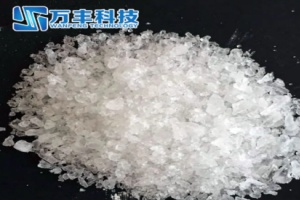
One of the most notable properties of rare earth nitrates is their high thermal stability. This makes them ideal for use in environments that require materials to maintain their properties under extreme heat. For example, in catalytic converters, the high heat resistance of rare earth nitrates ensures that they can withstand the high temperatures typical of chemical reactions without losing their catalytic effectiveness.
Rare earth nitrates exhibit enhanced chemical reactivity, making them ideal for use in catalysts and other processes that require precise chemical transformations. Their ability to catalyze reactions more efficiently than other materials helps improve industrial processes, reduce energy consumption, and lower emissions in various sectors.
From electronics to energy to environmental protection, rare earth nitrates have applications across a broad spectrum of industries. Their unique combination of properties, such as high stability, reactivity, and solubility, makes them versatile materials that are integral to the advancement of modern technologies.
Rare earth elements are critical in the transition to a more sustainable future. The development of clean energy solutions, such as wind power and electric vehicles, heavily relies on rare earth materials. By incorporating rare earth nitrates in the production of renewable energy components, manufacturers are contributing to the reduction of fossil fuel dependence and promoting greener alternatives.
While rare earth elements are abundant in the Earth's crust, the extraction and refinement processes are complex and resource-intensive. Additionally, the global supply chain for rare earth materials is often subject to geopolitical tensions, leading to concerns about the stability and availability of these materials. This challenge makes it critical for companies like Ganzhou Wanfeng Advanced Materials Technology Co., Ltd. to establish reliable and efficient supply chains.
The mining of rare earth materials, including those used in the production of rare earth nitrates, can have significant environmental impacts. The extraction processes often produce waste products that can pollute the surrounding environment. As the demand for rare earth elements increases, it is important to implement sustainable mining practices to minimize the environmental footprint of these operations.
Rare Earth Nitrate | Primary Application | Key Properties | Example of Use |
Lanthanum Nitrate | Catalysts, Phosphors | High reactivity | Automotive catalytic converters, phosphors in displays |
Neodymium Nitrate | Permanent magnets | High magnetic strength | Wind turbine magnets, electric motors |
Cerium Nitrate | Catalysts, Polishing | Oxidation resistance | Catalytic converters, cerium oxide for polishing |
Dysprosium Nitrate | Permanent magnets | High thermal stability | Electric vehicles, wind turbines |
Rare earth nitrates are indispensable in modern manufacturing, energy, and environmental industries. Their unique chemical properties, such as high thermal stability, reactivity, and solubility, make them essential in applications ranging from electronics to renewable energy to environmental protection. As demand for these materials grows, companies like Ganzhou Wanfeng Advanced Materials Technology Co., Ltd. are working tirelessly to meet the needs of industries worldwide by producing high-quality, reliable rare earth nitrate solutions. If you're looking to explore how rare earth nitrates can benefit your industry, contact us today to learn more.
Rare earth nitrates are primarily used in electronics, catalytic converters, renewable energy applications, and lighting technologies due to their chemical properties and high thermal stability.
Lanthanum nitrate is commonly used in catalysts and phosphors, while neodymium nitrate is crucial for producing strong permanent magnets used in electronics and renewable energy devices.
Rare earth nitrates are integral to renewable energy technologies, such as wind turbines and electric vehicles, helping to reduce reliance on fossil fuels and promote cleaner energy sources.
The challenges include supply chain stability, environmental impact from mining, and the resource-intensive extraction process, which can pose challenges to meeting growing global demand.


