
close
Choose Your Site
Global
Social Media


Views: 0 Author: Site Editor Publish Time: 2026-07-04 Origin: Site


In the high-stakes world of advanced manufacturing, precursor selection determines final product viability. Substandard rare earth precursors introduce trace impurities. These microscopic contaminants aggressively poison catalysts and degrade metallurgical yields. You face massive financial risks if your chemical foundations lack precision.
Advanced manufacturing requires a major shift in procurement strategies today. High purity rare earth chlorides (RECl₃) are no longer just basic commodities. They serve as highly engineered intermediates critical for scaling next-generation materials. Modern sustainable energy technologies demand flawless atomic structures. You cannot achieve this without exceptional starting materials.
Engineering and procurement teams face mounting pressure to get this right. You must evaluate chemical stability, strict purity grades, and regulatory compliance closely. Selecting the right chemical supplier dictates your operational success. We will explore exactly how to optimize your sourcing for catalyst synthesis and downstream refining.
Yield Dependency: The efficiency of both fluid catalytic cracking (FCC) and bespoke organic synthesis relies directly on the ultra-high purity (99.9% to 99.999%) of chloride precursors.
Cerium’s Strategic Role: Cerium chloride remains the foundational material for automotive and petrochemical catalysts due to its superior oxygen storage and thermal stability.
Evaluation Metrics: Sourcing decisions must prioritize verifiable Certificates of Analysis (CoA), rigorous moisture control (due to hygroscopicity), and scalable batch-to-batch consistency.
Compliance Shift: Next-generation processing demands suppliers who align with emerging non-toxic extraction methods and sustainable hydrometallurgical frameworks.
Trace impurities silently destroy catalyst efficiency across all advanced applications. Contaminants like iron (Fe) or calcium (Ca) act as active site blockers. Adjacent rare-earth cross-contamination also skews highly sensitive redox behaviors. When you introduce these rogue elements into a reactor, they poison the catalysts immediately. Structural integrity in final engineered alloys also drops significantly. You inevitably end up facing scrapped batches and costly operational downtime. Poor precursor quality always magnifies downstream manufacturing expenses.
Investing in 99.99%+ purity grades provides a massive, measurable return on investment. Some procurement teams hesitate at the slightly higher upfront chemical cost. But this strategic premium dramatically reduces downstream purification bottlenecks. It essentially eliminates failure rates tied to precursor instability. You spend a little more capital early in the supply chain. You save immensely during bulk processing and quality assurance testing. High purity translates directly into predictable, repeatable manufacturing outcomes.
Let us define "high purity" in a practical commercial context. It means looking closely at Total Rare Earth Oxide (TREO) ratios first. You must enforce strict limits on parts-per-million (ppm) contaminants. True purity is verifiable down to the part-per-billion level. Generic marketing claims hold no value here. You need hard analytical data proving elemental isolation. Commercial success relies entirely on avoiding microscopic contamination.
Below is a commercial purity success framework outlining baseline requirements.
Grade Specification | TREO Minimum | Non-RE Impurity Limit | Primary Application Suitability |
|---|---|---|---|
Standard Industrial | 99.0% | < 500 ppm | Basic metallurgical alloying |
Advanced Synthesis | 99.9% | < 100 ppm | Fluid catalytic cracking (FCC) |
Ultra-High Purity | 99.99%+ | < 10 ppm | Electronics, specialized organic synthesis |
This strict criteria matrix guides modern purchasing departments. Setting firm baselines prevents unexpected chemical reactions. Never compromise on these threshold limits during supplier negotiations. Your entire product line relies on this foundational purity.
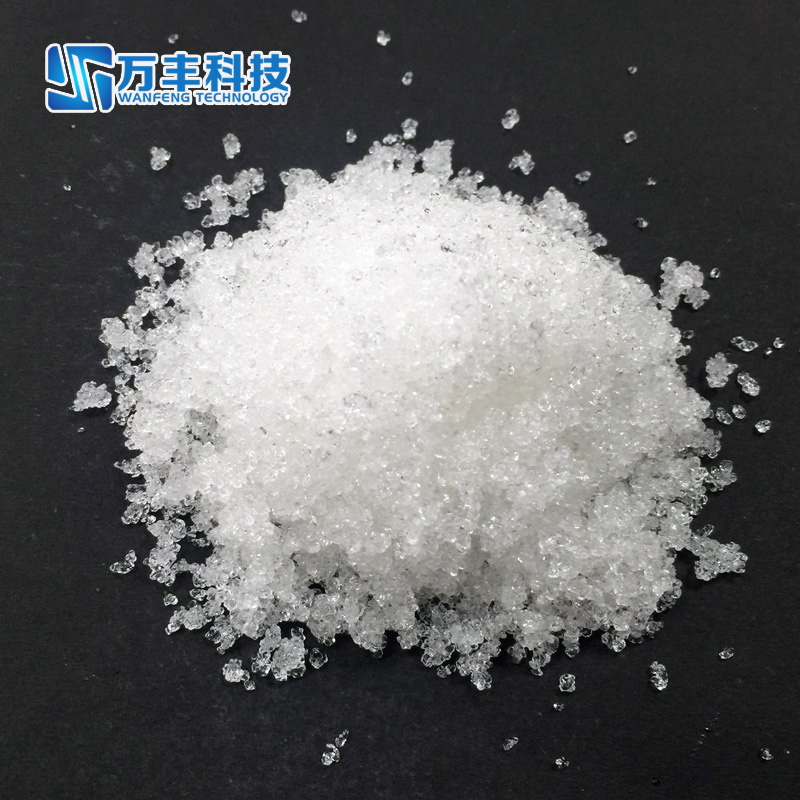
Oil refining depends heavily on exceptionally stable zeolite structures. Rare Earth Chlorides actively stabilize these zeolites during fluid catalytic cracking (FCC). They prevent sudden structural collapse under extreme heat and pressurized steam. This chemical stabilization directly impacts your overall gasoline and propylene yields. Better structural support naturally means higher, more profitable conversion rates. Refineries simply cannot optimize their output without these critical precursors. The global petrochemical industry leans entirely on this specific stabilization mechanism.
We must spotlight cerium's unique and powerful chemical capabilities. Cerium Chloride acts as a premier catalyst precursor worldwide. It drives modern automotive emission control systems forward. Catalytic converters rely heavily on it to mitigate toxic exhaust gases daily. Its utility extends deeply into complex organic synthesis as well. Chemists use it to facilitate highly sensitive Grignard reactions. It enables targeted carbon-carbon bond formation due to distinct Lewis acid properties. Few other compounds offer this level of catalytic versatility.
Thermal and redox stability define operational success in dynamic environments. High-purity precursors ensure highly predictable, easily manageable redox behavior. This predictability is absolutely crucial for managing oxygen storage capacity. In dynamic environments like vehicle exhaust streams, oxygen availability fluctuates wildly. The catalyst matrix must store and release oxygen seamlessly. Only premium-grade precursors can sustain this rapid, aggressive cycling. Lower grades degrade and fail under similar thermal stress.
Engineers must monitor these operational behaviors continuously. Even minor temperature spikes can degrade inferior catalytic sites. High purity guarantees thermal resilience across thousands of operational hours. You buy longevity when you specify premium grades. This longevity keeps vehicles compliant with stringent emissions standards. It also keeps massive petrochemical refineries running smoothly without unexpected catalyst replacements.
These chemical precursors serve as pivotal mid-stream transition states. They bridge the gap between raw ore and finished metals. Let us map the precise workflow from primary extraction to final separation. Following this path reveals exactly why intermediate purity matters so much.
Primary extraction begins with rigorous acid leaching of raw mined ores.
This harsh leaching process yields complex, mixed rare earth solutions.
Producers convert these unstable mixtures into highly uniform chloride states.
These stabilized solutions then enter complex solvent extraction cascades.
Uniform chemical solutions drastically enhance solvent extraction efficiency. Hydrometallurgy relies entirely on precise, predictable chemical gradients. When your chloride feed remains consistent, separation cascades operate smoothly. You achieve tighter separation of individual rare earth elements. Less crossover occurs between similar elements like Neodymium and Praseodymium. Plant operators see immediate improvements in overall purity profiles. Consistent inputs guarantee consistent, high-value outputs.
The processing journey often ends in intense molten salt electrolysis. This dangerous process transitions anhydrous rare earth chlorides into high-purity metals. You use these master alloys to build powerful Neodymium magnets. Here, hydration levels require strict, uncompromising facility control. Any residual moisture in the molten salt bath triggers violent reactions. It quickly oxidizes the metal and destroys the expensive yield. You lose the entire batch if moisture enters the system.
Let us look at specific separation variables during solvent extraction.
Process Variable | Impact of Impure Precursors | Ideal Operational State |
|---|---|---|
Solvent Saturation | Causes rapid extractant degradation | Predictable phase separation |
Aqueous pH Levels | Triggers unwanted emulsion formation | Stable, continuous flow rates |
Stripping Efficiency | Leaves valuable metal in the organic phase | Near 100% metal recovery |
Controlling these variables requires an unwavering commitment to precursor quality. You cannot adjust processing parameters fast enough to counter bad chemistry. The baseline chloride must be flawless before it enters the cascade.
Procurement demands strict, independent analytical verification today. You must instruct buyers to demand Inductively Coupled Plasma Mass Spectrometry (ICP-MS) data. Do not ever rely on generic marketing purity claims. Always verify exact elemental breakdowns down to the part-per-billion level. Thorough testing protects your sensitive downstream processes. It also holds your chemical supply chain accountable. You should routinely cross-reference supplier data with third-party lab results.
Handling the hygroscopic challenge requires highly specialized logistical capabilities. Anhydrous materials degrade rapidly if exposed to ambient humidity. They absorb moisture from the air almost instantly upon exposure. This rapid deliquescence drastically impacts your weight-based reactor dosing. If your material absorbs water, your delicate stoichiometric calculations fail. Evaluate potential suppliers based heavily on their packaging and moisture-control logistics. Look for argon-purged environments and heavy-duty liners.
Supply chain resilience dictates your long-term scaling timeline. Assess the supplier's true capacity to maintain batch-to-batch consistency. They might deliver perfect kilogram samples for initial R&D. But can they maintain that exact chemical profile during multi-ton commercial procurement? You must audit their manufacturing capacity thoroughly. A supplier failure during scale-up can stall your entire project indefinitely.
Consider these core vendor evaluation metrics during your next audit:
Demonstrated proficiency in inert atmosphere packaging and transit.
Consistent, verifiable ICP-MS reporting for every single production lot.
Transparent supply networks supporting rapid large-volume procurement surges.
Fast, accessible technical support for custom moisture-control requests.
Proven history of meeting rigorous ISO quality management standards.
Applying this framework eliminates unreliable vendors quickly. It focuses your attention on partners capable of genuine industrial scaling. You need scientific partners, not just basic commodity brokers. Building strong supplier relationships ensures your production lines never stop.
Navigating complex environmental regulations forms a massive part of modern processing. Traditional chemical processing introduces significant, well-documented pain points. Aging facilities generate heavy, difficult-to-manage acidic waste. They must also manage trace radiological byproducts safely and transparently. Global regulators now monitor these industrial outputs with intense scrutiny. You simply cannot afford compliance failures in today's hypersensitive market. A single violation can shut down your operations entirely.
Industry trends highlight a rapid, necessary shift toward non-toxic methods. We see moving targets toward sustainable, closed-loop extraction methodologies. Green chemistry compliance is quickly becoming a strict legal mandate. Forward-thinking suppliers invest heavily in modern hydrometallurgical frameworks. They minimize dangerous acid runoff and aggressively recycle solvent extractants. You must actively partner with vendors aligned with this eco-conscious trajectory. Sticking with outdated suppliers poses a massive existential risk.
End-to-end traceability secures your competitive market position globally. You need to source intermediates from transparent, conflict-free supply chains. Environmentally audited suppliers provide essential peace of mind for stakeholders. Major automotive and defense contractors increasingly require strict origin audits. If you cannot reliably trace your precursors, you lose access to lucrative contracts. You are excluded from the modern circular economy.
Future-proofing means embracing transparent sustainability immediately. Do not wait for regulations to force your hand. Proactively upgrading your supply chain standards builds immense brand trust. It shows your clients you value environmental stewardship alongside chemical excellence. This proactive stance separates industry leaders from lagging competitors.
Specifying ultra-high purity intermediates acts as a strategic risk-mitigation step. Commercial manufacturing tolerates absolutely zero margin for chemical error. You protect your entire multi-million dollar production line by securing premium starting materials. Trimming costs on precursors always results in catastrophic downstream failures.
Remember to filter your potential suppliers logically and ruthlessly. Prioritize complete analytical transparency above all else during audits. Demand robust moisture management capabilities to preserve delicate material integrity. Ensure their specific compliance standards align seamlessly with modern green chemistry mandates.
Take decisive action to secure your vulnerable supply chain today. We encourage engineers and procurement officers to initiate deep technical dialogues. Request detailed technical data sheets (TDS) from prospective vendors immediately. Ask for specific lot Certificates of Analysis (CoAs). Secure initial R&D samples for rigorous internal validation testing before committing to bulk volumes.
A: Hydrated variants contain water molecules within their crystalline structure. They work well for aqueous solvent extraction and general synthesis. Anhydrous variants are completely devoid of moisture. They are absolutely critical for molten salt electrolysis. Any moisture in a high-temperature electrolysis bath causes rapid oxidation, ruining the final metal yield. You must store anhydrous grades in strictly inert environments.
A: Purity directly dictates operational longevity. Trace transition metal impurities aggressively degrade active catalytic sites. They interfere with cerium's vital oxygen storage capacity. This interference prevents seamless redox cycling during dynamic chemical reactions. A higher purity level preserves the structural integrity of the catalyst matrix, significantly extending lifespans.
A: Bulk shipments require rigorous, multi-layered moisture protection due to severe hygroscopicity. Standard packaging involves heavy-duty steel or high-density polyethylene drums. Inside, suppliers use specialized, dual-layer vacuum-sealed bags. For anhydrous grades, manufacturers purge the internal environment with argon gas before sealing. This prevents deliquescence during extended warehouse storage.
A: Yes, top-tier chemical suppliers frequently customize precursor formulations. Buyers can request highly specific Total Rare Earth Oxide (TREO) concentrations. You can also source targeted element blends tailored for specialized metallurgical flows. This specific customization helps hydrometallurgical facilities optimize their unique solvent extraction cascades efficiently.


