
close
Choose Your Site
Global
Social Media


Views: 0 Author: Site Editor Publish Time: 2026-06-11 Origin: Site


You can use cerium oxide polishing powder to clean glass. It helps take away stains and scratches. This way, you can make old glass look new again. Many people trust cerium oxide from Ganzhou Wanfeng. It is safe and works well. You should follow every step and wear safety gear. Even if you have never polished before, you can get a clear and smooth finish.
Get all your supplies before you begin. You will need cerium oxide powder, water, polishing pads, and safety gear. Having everything ready helps you work faster and safer.
Mix cerium oxide powder with water to make a smooth paste. Use one part powder and two parts water for the best mix. Fresh paste gives you a better finish.
Polish the glass using small, round motions. Keep the glass wet so it does not get scratched. Wipe off the paste often to check your progress.
Always wear safety gear like gloves and goggles. It is very important to protect yourself when working with glass and polishing compounds.
Try different ways to polish so you can get better. Over time, you will be able to remove stains and scratches. This will help make your glass clear again.
Before you start, gather all the supplies you need. Having everything ready helps you work safely and finish the job faster. Here is a list of what you should have:
Cerium oxide polishing powder
Clean water
Felt or cork polishing disk
Polishing machine (optional for larger jobs)
Soft cleaning cloths
Protective gloves
Safety goggles
You use cerium oxide polishing powder to remove stains and scratches from glass. The powder mixes with water to make a paste. You spread this paste on the felt or cork disk. If you do not have a machine, you can polish by hand. Always use gloves and goggles to protect your skin and eyes.
Tip: Keep extra cloths nearby. You will need them to wipe away the paste and check your progress.
Set up your work area before you begin. Choose a flat, sturdy table or bench. Make sure the space has good light. You want to see the glass clearly as you polish. Lay down a plastic sheet or old towel to catch drips and dust. Place all your supplies within easy reach.
Keep a bowl of clean water close by. You will need it to mix the cerium oxide polishing compound and to rinse your cloths. Open a window or use a fan for fresh air. Good airflow keeps you safe from dust.
If you use a polishing machine, check that it works well. Plug it in and test it before you start. Make sure the felt or cork disk fits tightly. You do not want it to slip during use.
A clean, organized space helps you avoid accidents. You can focus on polishing and get better results.
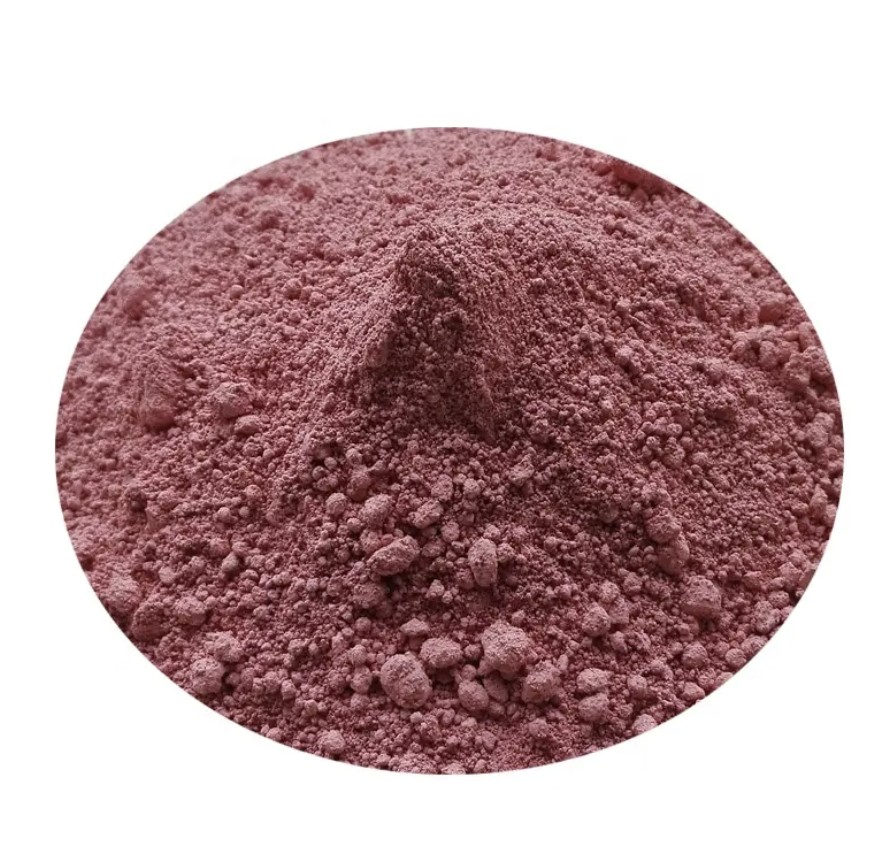
You need to mix cerium oxide polishing powder with water before you start. The best ratio is one part cerium oxide to two parts water. You can use a small bowl or container for mixing. Pour the powder into the bowl first. Add water slowly while you stir. Use a spoon or stick to mix until you see a smooth, creamy paste. The mixture should look like thick milk or yogurt. If it feels too dry, add a little more water. If it gets too runny, sprinkle in a bit more powder.
Tip: Mix only what you need for one session. Fresh paste works better and gives you a smoother finish.
You can use different polishing techniques to get the best results. First, dip your polishing pad into the slurry. Make sure the pad soaks up enough paste. Place the pad on the glass and move it in small circles. Keep your hand steady and use gentle pressure. If you use a machine, set it to a low speed. This helps you avoid making new marks.
Always keep the glass surface wet while you polish. Dry spots can cause scratches or cloudiness. If the paste starts to dry, add a few drops of water. Wipe away the paste often to check your progress. You may need to repeat the process for fine hairline scratches. Take your time and use even strokes.
Note: Clean your polishing pad after each use. This keeps it soft and ready for your next project.
You can master these techniques with practice. Good polishing techniques help you restore glass and remove even small marks. Remember to use the right amount of paste and keep the surface wet for the best shine.
You can polish glass by hand if you want to remove stains or fine hairline scratches. Start by cleaning the glass with water and a soft cloth. Make sure the surface is free from dust and dirt. Mix your cerium oxide polishing compound into a smooth paste. Dip your polishing pad into the mixture.
Place the pad on the glass surface.
Move your hand in small, overlapping circles.
Use gentle, steady pressure. Do not press too hard.
Keep the surface wet at all times. Add water if the paste starts to dry.
Wipe away the paste often to check your progress.
You may see hard water stains disappear as you polish. If you notice swirl marks, slow down and use lighter pressure. Repeat the process until the glass looks clear and smooth. You can achieve a bright shine if you work patiently.
Tip: Always polish in a well-lit area. Good light helps you see stains and swirl marks more easily.
A polishing machine can help you finish larger glass surfaces faster. Attach a felt or cork disk to the machine. Make sure it fits tightly. Mix your cerium oxide polishing powder with water to create a thick paste. Apply the paste to the polishing pad.
Turn on the machine at a low speed.
Place the pad flat on the glass surface.
Move the machine in slow, overlapping passes.
Keep the surface wet to avoid scratches or cloudiness.
Check for hard water stains and swirl marks as you work.
Do not let the machine stay in one spot for too long. This can cause uneven shine or new swirl marks. Wipe the glass often to see your progress. If you see any stains left, repeat the process. Machine polishing techniques can restore clarity and remove even deep stains.
Note: Always wear gloves and goggles when using a machine. Safety comes first.
You can use a rock tumbler to polish small glass pieces, such as beads or tumbled stones. Add one tablespoon of cerium oxide polishing powder per pound of glass. Place the glass and powder in the tumbler barrel. Add enough water to cover the glass.
Seal the barrel tightly.
Run the tumbler for seven days.
Check the glass every few days to see the progress.
Rinse the glass and repeat if you see hard water stains or swirl marks.
Rock tumbling works well for removing stains and giving small glass pieces a bright shine. The constant movement helps the cerium oxide reach every surface. You can achieve a smooth finish and restore clarity to old glass.
Tip: Clean the barrel and glass well after tumbling. Leftover powder can cause new stains or marks.
You can use these polishing techniques to remove hard water stains, fine hairline scratches, and swirl marks from any glass surface. Each method helps you bring back the shine and clarity you want. Practice makes perfect, so try different techniques to see what works best for your project.
You should always protect yourself when working with glass and cerium oxide polishing powder. Wear gloves to keep your hands safe from sharp edges and chemicals. Safety goggles protect your eyes from dust and splashes. Choose a space with good airflow. Open a window or use a fan to keep fresh air moving. This helps you avoid breathing in fine dust. Keep your work area clean and dry to prevent slips or accidents.
Tip: Always wash your hands after you finish polishing. This removes any leftover powder or stains from your skin.
Sometimes, you may see problems during effective glass polishing. If you notice new scratches or fine hairline scratches, check your polishing pad. A dirty pad can cause marks on the glass surface. Clean or replace the pad before you continue. If the glass looks cloudy, you may have let the mixture dry out. Add more water to the surface and polish again. Keep the surface wet at all times to avoid stains and cloudiness.
If you see stains that do not go away, try working in several passes. Use gentle pressure and move the pad in small circles. This helps you remove tough stains and bring out a bright shine. Do not rush the process. Take your time for the best results.
Note: Fresh cerium oxide works better than old paste. Mix a new batch if your mixture dries out or loses its shine.
You can achieve effective glass polishing by following these tips. Stay patient and check your progress often. With practice, you will restore the surface and remove stains for a clear, smooth finish.
You can make glass shiny if you follow easy steps. Get your supplies ready and set up your space. Always wear safety gear and keep the glass clean. Mix the cerium oxide paste and spread it out. Move slowly and look at the glass often. The more you practice, the better you get.
If you want fast answers about polishing, read the FAQ before you begin.
You should keep the compound in a sealed container. Store it in a cool, dry place. Make sure the lid stays tight. This keeps the compound fresh and ready for your next glass project.
You can use the compound on some stones and ceramics. Always test the compound on a small area first. Some materials may scratch or react differently. The compound works best as a glass polishing compound.
If the compound dries out, add a few drops of water. Mix the compound until it looks smooth again. You should keep the compound wet while you polish. Dry compound can scratch the glass.
You only need a small amount of compound for each session. Mix enough compound to cover the area you want to polish. Fresh compound gives you the best results. Do not mix more compound than you need.
You should not reuse the compound after polishing. Used compound may contain dirt or glass particles. This can scratch your glass. Always use fresh compound for each project. Clean your tools before you mix new compound.


