
close
Choose Your Site
Global
Social Media


Views: 0 Author: Site Editor Publish Time: 2026-06-08 Origin: Site


You use rare earth metals like Lanthanum Metal, Cerium Metal, Neodymium Metal, and Praseodymium Metal when you use electronics. These metals help power things like smartphones, laptops, and LED lights. You can also find alloys like Lanthanum Cerium Mischmetal and Aluminium Scandium Alloy in new technology. Rare earth metals help electronics work well and make new designs possible.
Rare earth metals like Neodymium and Europium are very important for electronics. These metals make magnets stronger, screens brighter, and batteries work better. Recycling old electronics can get back rare earth metals and help the environment. China is the top supplier of rare earth metals, so this can change prices and how easy they are to get. Alloys with rare earth metals can make devices lighter and stronger. Knowing where rare earth metals come from can help you pick better products. New ways to recycle and new materials can change electronics and clean energy in the future. Helping companies that use safe mining keeps the environment safe.
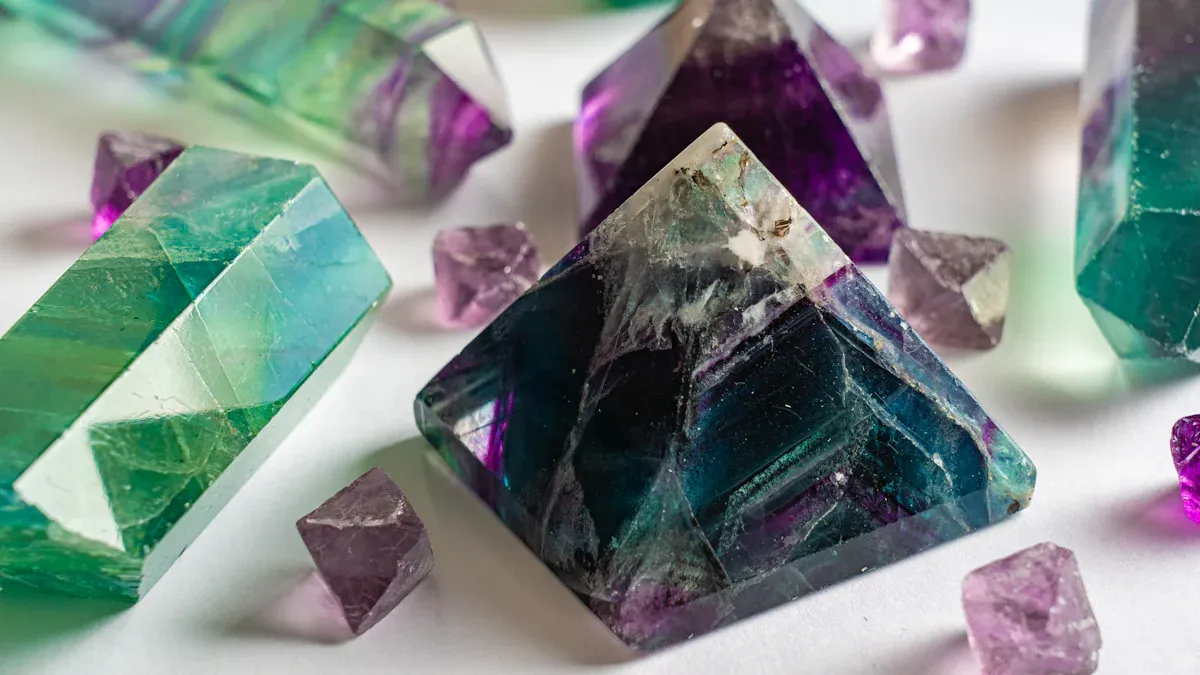
Rare earth elements are important in technology today. There are 17 special metals in this group. They come from the Earth's crust. These metals have special chemical features. This makes them very helpful for electronics. Rare earth elements can move electricity well. They can stand up to heat. They also make strong magnets. You can find them in things like smartphones and tablets. LED lights use them too. Scientists call them "rare" because they are not found in big amounts together. You need special ways to separate them from other stuff.
Did you know? Rare earth metals help your devices get smaller, work faster, and use less energy.
Rare earth elements fit into two main groups. One group is the lanthanides. The other group is scandium and yttrium. Lanthanides are 15 metals. They start with lanthanum and end with lutetium. Scandium and yttrium are also rare earth elements. They act like the lanthanides.
Here is a table that lists all 17 rare earth elements and their symbols:
Element Name | Symbol |
|---|---|
Lanthanum Metal | La |
Cerium Metal | Ce |
Praseodymium Metal | Pr |
Neodymium Metal | Nd |
Samarium Metal | Sm |
Europium Metal | Eu |
Gadolinium Metal | Gd |
Terbium Metal | Tb |
Dysprosium Metal | Dy |
Holmium Metal | Ho |
Erbium Metal | Er |
Thulium Metal | Tm |
Ytterbium Metal | Yb |
Lutetium Metal | Lu |
Scandium Metal | Sc |
Yttrium Metal | Y |
Some alloys use these rare earth elements. Examples are Lanthanum Cerium Mischmetal and Praseodymium Neodymium Alloy. There is also Dysprosium Ferrum Alloy and Gadolinium Ferrum Alloy. Aluminium Scandium Alloy is another example. These alloys help electronics work better.
Many rare earth elements are important in electronics. Neodymium Metal makes strong magnets for speakers. It is used in headphones too. Europium Metal and Terbium Metal help screens show bright colors. Cerium Metal and Lanthanum Metal help polish glass. They make camera lenses clearer. Scandium Metal and Yttrium Metal help make strong alloys. These alloys are used in LED lights and batteries.
Ganzhou Wanfeng Advanced Materials Technology Co., Ltd. is a top company for rare earth metals. Their factory is in Ganzhou city, China. This city is called the "Kingdom of Rare Earth." The company started in 1994. Now it has a big, modern plant with new machines. Ganzhou Wanfeng makes rare earth metals, oxides, and alloys. They make Lanthanum Metal, Cerium Metal, Neodymium Metal, and more. You can trust their good products and strong supply chain for your technology.
You can find rare earth elements in many electronics. These metals help make sound better and screens brighter. They also help batteries last longer. When you use a smartphone or laptop, you use these metals. Neodymium Metal and Samarium Metal make strong magnets. These magnets help speakers and headphones sound clear. Praseodymium Metal and Dysprosium Metal help make magnets for small motors. These motors are in hard drives and fans.
Lanthanum Metal and Cerium Metal are used to polish glass. They help make camera lenses and screens smooth and clear. Lanthanum Cerium Mischmetal and Praseodymium Neodymium Alloy are used in strong, light parts. These alloys help devices stay small and powerful.
Rechargeable batteries use rare earth elements like Yttrium Metal and Scandium Metal. Aluminium Scandium Alloy helps batteries last longer and charge faster. Gadolinium Ferrum Alloy and Dysprosium Ferrum Alloy are in special sensors and memory chips. These uses help electronics work better and last longer.
Tip: Rare earth metals help make your devices lighter, faster, and more reliable.
Rare earth elements give screens and lights bright colors. Europium Metal and Terbium Metal help make red and green colors. You see these colors in TV and computer screens. LED lights and fluorescent tubes use them too. Yttrium Metal works with Europium Metal to make bright red for screens. Gadolinium Metal, Holmium Metal, and Erbium Metal help make images look better.
Thulium Metal, Ytterbium Metal, and Lutetium Metal are used in special lights and lasers. These parts help you see clear images and bright colors on your phone or TV. Cerium Metal helps make white light in LED bulbs. This makes homes and offices brighter and saves energy.
You can find these rare earth metals in many electronic parts. They help devices use less power and last longer. The use of rare earth elements in electronics keeps growing as technology gets better.
Ganzhou Wanfeng Advanced Materials Technology Co., Ltd. is a leader in rare earth production. The company is in Ganzhou, China, called the "Kingdom of Rare Earth." Since 1994, Ganzhou Wanfeng has made and processed rare earth materials. They make metals, oxides, and alloys. The company uses new machines and strict quality checks. You can trust Ganzhou Wanfeng to give you high-quality rare earth products for your electronics.
Neodymium is used in many electronics. Neodymium magnets are very strong. These magnets help speakers work well. They also help headphones and microphones. You find them in hard drives too. Electric motors use neodymium magnets. These magnets make devices smaller and lighter. Your phone and laptop sound clear because of these magnets. Praseodymium Neodymium Alloy uses neodymium to make metals stronger.
Tip: Neodymium magnets keep your devices small and strong.
Main uses for neodymium magnets in electronics:
Speakers and headphones give clear sound
Hard drives store data quickly
Electric motors run laptops and tablets
Microphones pick up sound well
Europium helps screens show bright colors. You see its effect in TVs and computer monitors. LED lights use europium too. Europium makes red phosphors. These phosphors make reds look bright and real. Devices use less energy because of europium. You get better color quality with europium.
Application | Description |
|---|---|
Red Phosphors | Europium makes bright red phosphors for TVs and computer screens. |
Energy Efficiency | Europium helps fluorescent lamps and LED lights save energy. |
Color Fidelity | Europium gives screens many colors and keeps colors true. |
Europium is needed for bright colors in screens.
It helps screens show bright reds and blues.
Phosphors are important for good visuals in screens.
You notice better colors when you watch videos or play games. Europium helps your screen show real colors and saves energy.
Terbium helps displays look bright and clear. You find terbium in green phosphors for TVs and monitors. Fluorescent lamps and LED lights use terbium too. Terbium mixes green, blue, and red colors for better images.
Application Type | Description |
|---|---|
Doping Agent | Used in solid-state devices like calcium fluoride and tungstate. |
Phosphors | Terbium oxide is a green phosphor in lamps and TV tubes. |
Trichromatic Lighting Technology | Terbium and europium mix colors for display screens. |
Solid-State Devices | Sodium terbium borate is used in electronics. |
Optical Sensors | Terbium glass and yttrium aluminum garnet are in fiber-optic sensors. |
Alloys | Terbium is in Terfenol-D for sonar and sensors. |
Magnetic Applications | Used in neodymium magnets for electric car motors. |
You see terbium when your tablet or laptop shows bright greens. Terbium helps sensors and solid-state devices work better. Electronics have sharper images and work well because of terbium.
Note: Terbium and europium work together to make all the colors you see on screens.
You can find yttrium in many new devices. Yttrium is very important for lighting. It is inside the white LEDs on your phone and laptop. Yttrium mixes with europium to make red phosphors. These phosphors help LED screens and TVs show bright, real colors.
Yttrium also helps lights save energy. When you use LED bulbs at home or school, yttrium is inside them. It helps the light look normal and saves electricity. Yttrium is in parts like Yttrium Aluminum Garnet (YAG). YAG is used in lasers and some camera flashes. YAG lasers are found in medical tools and barcode scanners.
Fun Fact: Yttrium makes old TV screens red and helps new tech shine in electronics.
Main applications of yttrium in electronics:
White LEDs for screens and lights
Red phosphors in displays
YAG lasers in medical and work tools
Cerium is another important rare earth metal. You use cerium when you take photos or look at a tablet screen. Cerium oxide is used to polish glass. It makes camera lenses, glasses, and touchscreens smooth and clear.
Companies use cerium to polish glass in electronics. This removes scratches and makes glass shiny. Cerium also helps glass stay clean from stains and fingerprints. You find cerium in LCD screens, optical fibers, and car headlight glass.
Tip: Cerium oxide helps make screens and lenses in your devices very clear.
Common applications of cerium in electronics:
Polishing screens on phones and tablets
Making camera lenses clear
Smoothing glass for LCDs and optical fibers
Lanthanum is a rare earth element that helps you see better. You find lanthanum in glass for camera lenses and good optics. Lanthanum makes glass lenses sharper and helps them focus light. This lets your phone’s camera take bright, clear photos.
Lanthanum is also in projector lenses, binoculars, and some microscopes. It helps these devices work better by making images less blurry and clearer. Some batteries use lanthanum alloys to store energy. This helps electronics last longer.
Note: Lanthanum helps you get sharper photos and better video calls by making lenses better.
Key applications of lanthanum in electronics:
Camera lenses in phones and tablets
Projector and microscope lenses
Rechargeable battery parts
Samarium is a rare earth metal found in strong magnets. These magnets are called samarium-cobalt magnets. They help electronic parts work better. Samarium magnets stay strong even when hot. This makes them good for devices that heat up.
You find samarium magnets in headphones and speakers. They help headphones make clear sound. Hard drives use samarium magnets to keep your data safe. Some medical devices use samarium magnets. They work well in strong magnetic fields.
Main uses of samarium in electronics:
Headphones and speakers for clear audio
Hard drives for safe data storage
Motors in robotics and drones
Sensors in medical equipment
Tip: Samarium magnets keep working when your device gets hot. This helps your electronics stay reliable.
Scandium is another rare earth metal. You find scandium in special alloys. These alloys make electronic parts stronger and lighter. Aluminium scandium alloy is very useful. It helps make parts for smartphones and laptops. These alloys help devices last longer and resist damage.
Scandium alloys help batteries work better. They make battery parts stronger and help them charge faster. Some sports equipment uses scandium alloys. In electronics, you see them in strong frames and battery parts.
Key applications of scandium in electronics:
Aluminium scandium alloy in smartphone and laptop frames
Battery components for longer life and faster charging
Lightweight parts in tablets and portable devices
Note: Scandium alloys help your devices stay light and strong. They are ready for everyday use.
Rare earth metals help your devices work better. You use them every time you use electronics. Neodymium Metal and Samarium Metal make strong magnets for speakers and motors. Europium Metal and Terbium Metal help screens show bright colors. Lanthanum Metal and Cerium Metal polish glass for camera lenses. These metals help you get clear photos and smooth video calls. Praseodymium Metal and Dysprosium Metal help motors run quietly. Gadolinium Metal and Holmium Metal help sensors in tablets and laptops. Your devices sound better, look clearer, and work smoother because of these rare earth metals.
Tip: Rare earth metals make your devices strong and dependable. You get better gaming, streaming, and chatting.
Technology keeps getting smaller and lighter. Rare earth metals help make this happen. Neodymium Metal and Praseodymium Neodymium Alloy make tiny, strong magnets. These magnets fit inside slim phones and laptops. Aluminium Scandium Alloy and Scandium Metal make light frames for tablets and portable devices. Lanthanum Cerium Mischmetal and Dysprosium Ferrum Alloy make small, powerful battery parts. You can carry high tech devices in your pocket or bag because rare earth metals help make them small. Yttrium Metal and Ytterbium Metal help LED lights and lasers get smaller, so screens stay thin and bright.
Rare Earth Metal/Alloy | Miniaturization Use |
|---|---|
Neodymium Metal | Tiny magnets in speakers/motors |
Aluminium Scandium Alloy | Lightweight device frames |
Lanthanum Cerium Mischmetal | Compact battery parts |
Yttrium Metal | Small LEDs and lasers |
You want your devices to last longer and use less power. Rare earth metals help make this possible. Europium Metal and Terbium Metal make LED screens brighter and save energy. Cerium Metal and Lanthanum Metal polish glass, so screens use less power. Gadolinium Ferrum Alloy and Dysprosium Ferrum Alloy help sensors and memory chips work better and cooler. Clean energy is important for you and the planet. Rare earth metals help batteries charge faster and last longer. Scandium Metal and Aluminium Scandium Alloy help batteries store more power in less space. Thulium Metal, Erbium Metal, and Lutetium Metal help lasers and fiber optics use less energy. You get longer battery life and lower bills because rare earth metals make devices more efficient.
Note: Clean energy and rare earth metals work together. They help you use technology in a smarter and greener way.
You need a steady supply of rare earth metals for electronics. These metals include Lanthanum Metal, Cerium Metal, Praseodymium Metal, Neodymium Metal, Samarium Metal, Europium Metal, Gadolinium Metal, Terbium Metal, Dysprosium Metal, Holmium Metal, Erbium Metal, Thulium Metal, Ytterbium Metal, Lutetium Metal, Scandium Metal, and Yttrium Metal. You also find alloys like Lanthanum Cerium Mischmetal, Praseodymium Neodymium Alloy, Dysprosium Ferrum Alloy, Gadolinium Ferrum Alloy, and Aluminium Scandium Alloy in many gadgets.
More people want rare earth elements every year. Only a few countries supply most of them. China is the top country for mining and making rare earths. Here are some facts about the market:
China has about 40% of the world’s rare earth mines.
China makes almost 70% of all rare earths, especially heavy ones.
The Asia Pacific area, led by China, is the biggest rare earth market because it has lots of these metals and can make a lot.
You count on these countries to keep your electronics running. If supply goes down, you might see shortages or higher prices.
There are risks when using rare earth metals in electronics. Prices can change fast and make it hard for companies to get enough. If prices rise, some products cost too much to make.
Market risks like price changes can hurt electronics companies. They make it harder to get rare earth metals and can stop the flow of important materials. This can slow down making new electronic products.
Risks are bigger when one place makes most of the supply. If something bad happens, it is hard to get more metals quickly. Big price changes can also make it tough for companies to buy rare earth metals.
Other problems in the supply chain are:
Fights between countries, like the US and China, can hurt rare earth supplies.
Relying on China is risky, since it controls about 90% of rare earth making and processing.
New rules, like China’s export licenses, make trading harder.
It is hard to know where rare earth metals come from, which can cause problems.
Mining can hurt the environment, so people worry about being green.
Sharing data is tough because of fears about stealing ideas and weak computer systems.
Secret deals make it hard to track where rare earths come from or how good they are.
Language and culture differences can cause confusion in supply chains.
Geopolitics is important for rare earth supply. China’s control lets it set export limits and manage the market. This is risky for other countries that need rare earth metals for electronics.
China uses export limits to control rare earth trade.
The US and Japan try to depend less on China for rare earth metals.
The EU made the Raw Materials Alliance to find more sources for important materials.
Countries want to make sure they have enough rare earth elements. They look for new mines, better recycling, and safer ways to trade. These steps help keep rare earth metals available for your devices.
Tip: When you buy electronics, you use a global system that faces many supply and market risks.
When you use electronics, you need rare earth metals like Lanthanum Metal, Cerium Metal, Praseodymium Metal, and Neodymium Metal. Mining these metals hurts the environment in many ways. The process puts toxic chemicals into the air, water, and soil. You may not notice, but mining one ton of rare earth makes about 13 kg of dust. It also creates thousands of cubic meters of waste gas, 75 cubic meters of dirty water, and one ton of radioactive leftovers. This pollution can harm plants, animals, and people near mines.
Mining companies use two main ways to get rare earth metals:
They take away the topsoil and make leaching ponds. These ponds can leak toxic chemicals into the water underground.
They drill holes and pump chemicals into the ground. This also leads to leaching ponds and the same risks.
Both ways make lots of toxic waste. This waste can cause health problems for people living nearby. You might hear about radioactive stuff and heavy metals in the news. These issues make it hard to meet the growing need for rare earth metals in electronics.
You should know about the workers who get rare earth metals. Workers face many problems:
Pollution from mining makes air and water unsafe.
Health risks are high because of toxic dust and chemicals.
Mining uses lots of energy and needs special steps to separate metals.
These problems can lead to human rights issues. Workers may not have enough safety gear or protection. Some mines do not follow strict labor rules. This can put workers in danger and make it hard to keep the supply chain fair for electronics.
You can help by learning about responsible sourcing. Many companies now want to know where their rare earth metals come from. They work with suppliers who use safe and fair mining methods. Groups like the Responsible Minerals Initiative, with over 500 member companies, give tools to help companies get minerals the right way. Some companies join projects like the Cobalt Initiative. These efforts help make sure rare earth metals are safe for people and the planet.
There is also a push for recycling electronics. This means old devices are recycled to get metals like Samarium Metal, Europium Metal, Gadolinium Metal, Terbium Metal, Dysprosium Metal, Holmium Metal, Erbium Metal, Thulium Metal, Ytterbium Metal, Lutetium Metal, Scandium Metal, and Yttrium Metal. Alloys such as Lanthanum Cerium Mischmetal, Praseodymium Neodymium Alloy, Dysprosium Ferrum Alloy, Gadolinium Ferrum Alloy, and Aluminium Scandium Alloy can be recycled too. Recycling helps lower mining’s impact and keeps the supply steady.
Tip: When you recycle electronics, you help protect nature and support fair practices.
Ganzhou Wanfeng Company Profile
Ganzhou Wanfeng Advanced Materials Technology Co., Ltd. is in Ganzhou city, Jiangxi province, China. Ganzhou is called the "Kingdom of Rare Earth." Since 1994, Ganzhou Wanfeng has made rare earth metals, oxides, and alloys. The company uses new machines and strict checks. You can trust Ganzhou Wanfeng for steady and high-quality rare earth products for electronics all over the world.
You can help the future of rare earth metals by recycling. Many high tech devices have valuable materials like Lanthanum Metal, Cerium Metal, Praseodymium Metal, Neodymium Metal, and Samarium Metal. When you recycle old electronics, you help get these tech metals back. This also helps the environment by making less waste.
Today, recycling uses different methods:
Hydrometallurgical processes use water solutions to take metals from electronic waste.
Pyrometallurgical methods use heat to get rare earth metals and other elements.
Bioleaching uses special tiny organisms to separate metals in a green way.
These ways help recover Europium Metal, Gadolinium Metal, Terbium Metal, Dysprosium Metal, Holmium Metal, Erbium Metal, Thulium Metal, Ytterbium Metal, Lutetium Metal, Scandium Metal, and Yttrium Metal. You also find alloys like Lanthanum Cerium Mischmetal, Praseodymium Neodymium Alloy, Dysprosium Ferrum Alloy, Gadolinium Ferrum Alloy, and Aluminium Scandium Alloy in recycled things. Recycling helps the planet by lowering the need for new mining and cutting down on electronic waste.
Tip: When you recycle old electronics, you help nature and keep rare earth metals in use.
Innovation is changing the future of rare earth metals in electronics. Scientists and engineers work to make better ways to use and reuse these materials. New recycling technology makes it easier to get rare earth metals from high tech devices. Companies are finding better ways to separate and clean Lanthanum Metal, Cerium Metal, and Neodymium Metal.
Modern technology brings new uses for rare earth metals in clean energy. Wind turbines, electric cars, and new batteries need these materials to work better and last longer. You get better devices because of these new ideas. Your electronics work longer, use less energy, and are better for the planet.
Many companies now design products that are easy to recycle. This helps keep rare earth metals available and supports clean energy goals.
You might wonder if rare earth metals can be replaced in electronics. Researchers look for new materials to lower mining and meet more demand. Some teams test materials that work like Neodymium Metal or Samarium Metal in magnets. Others try ceramics or nanomaterials for batteries and screens.
Companies use less rare earth metal in their designs or switch to recycled materials. These steps help the environment and keep the supply steady. The future of electronics depends on using rare earth metals, new materials, and recycling together. You help by picking products made with good practices and by recycling.
Note: Finding new materials and better recycling will shape the future of rare earth metals in technology and clean energy.
Ganzhou Wanfeng Company Profile
Ganzhou Wanfeng Advanced Materials Technology Co., Ltd. is in Ganzhou city, Jiangxi province, China. Ganzhou is called the "Kingdom of Rare Earth." Since 1994, Ganzhou Wanfeng has made and processed rare earth materials. The company covers over 40,000 square meters and follows ISO9001 and ISO14001 rules. You find rare earth oxides, metals, alloys, and other products in their range, including Lanthanum Metal, Cerium Metal, Praseodymium Metal, Neodymium Metal, and more. With new machines and strict checks, Ganzhou Wanfeng gives high-quality rare earth products and services to customers all over the world.
You need rare earth metals for your favorite devices. These metals help make new technology possible. Mining them makes a lot of toxic waste. That is why recycling and safe sourcing are important. China supplies most rare earth metals. This can change prices and make getting them harder. Recycling old electronics helps keep the planet safe. It also helps electronics last into the future. You can help by picking devices made with care for people and nature.
Rare earth metals like Neodymium Metal, Lanthanum Metal, and Cerium Metal help your devices work well. You find these metals in things like smartphones, laptops, and LED lights. They make magnets, screens, and batteries stronger and work better.
Neodymium Metal is used for magnets. Europium Metal helps screens show colors. Terbium Metal is used in displays. Yttrium Metal is found in LEDs. Alloys like Lanthanum Cerium Mischmetal and Aluminium Scandium Alloy make devices lighter and more powerful.
Alloys such as Praseodymium Neodymium Alloy and Dysprosium Ferrum Alloy make magnets stronger and motors smaller. Aluminium Scandium Alloy helps batteries last longer. These alloys help your electronics work well and save energy.
Yes! You can recycle metals like Samarium Metal, Gadolinium Metal, and Yttrium Metal from old devices. Recycling helps protect the environment and keeps rare earth metals ready for new technology.
Mining rare earth metals like Cerium Metal and Holmium Metal can hurt nature. You help by recycling devices and picking products from companies that use safe and fair mining.
China has a lot of rare earth metals like Lanthanum Metal and Praseodymium Metal. China also has modern factories and skilled workers. This helps China make and process these metals for electronics around the world.
Ganzhou Wanfeng Advanced Materials Technology Co., Ltd. is in Ganzhou city, China. Ganzhou is called the "Kingdom of Rare Earth." Since 1994, the company has made rare earth metals, oxides, and alloys. You get good, steady, and fast rare earth products for electronics from Ganzhou Wanfeng.


