
close
Choose Your Site
Global
Social Media


Views: 0 Author: Site Editor Publish Time: 2026-06-01 Origin: Site


You see rare earth oxides in many modern products. These materials usually look like fine white powders or colored solids. The most common types are sesquioxides like La2O3 and Nd2O3:
Common Form | Chemical Formula |
|---|---|
Sesquioxide | La2O3 |
Sesquioxide | Nd2O3 |
Other | Various |
You can find rare earth oxides such as Lanthanum Oxide, Cerium Oxide, Praseodymium Oxide, Neodymium Oxide, Samarium Oxide, Europium Oxide, Gadolinium Oxide, Terbium Oxide, Dysprosium Oxide, Holmium Oxide, Erbium Oxide, Thulium Oxide, Ytterbium Oxide, Lutetium Oxide, Scandium Oxide, and Yttrium Oxide in electronics, glass, and clean energy. High-tech companies use them in different purity levels, from 95% to over 99.99%, as shown here:
Purity Grade | Purity Range | Applications |
|---|---|---|
Technical grade | 95% to 99% | Ceramics, glass |
High-purity grade | 99% to 99.99% | Electronic parts |
Ultra-high purity grade | >99.99% | Making semiconductors |
Ganzhou Wanfeng is in China’s "Kingdom of Rare Earth." This company is a leader in making and processing rare earth oxides. They give reliable, high-quality materials to people all over the world.
Rare earth oxides are very important in today’s technology. They are used in things like electronics, glass, and clean energy systems. These oxides are split into two main groups. The first group is light rare earth oxides (LREOs). The second group is heavy rare earth oxides (HREOs). Each group has special properties and uses. High-purity rare earth oxides are needed by many industries. Their purity can be from 95% to over 99.99%. This affects how well they work in electronics and energy storage. Ganzhou Wanfeng is a top maker of rare earth oxides. They give high-quality materials to the world. This helps many industries and technologies. Recycling and cleaner ways to make these oxides are very important. They help lower harm to the environment. They also make sure we have enough rare earth oxides for the future.
Rare earth oxides are chemical compounds. They are made when rare earth elements mix with oxygen. These oxides form when rare earth metals touch air or water. Most rare earth oxides look like fine powders or colored solids. Scientists and engineers use them because they have special features. These features make them useful in many areas.
Some important rare earth oxides are:
Lanthanum Oxide
Cerium Oxide
Praseodymium Oxide
Neodymium Oxide
Samarium Oxide
Europium Oxide
Gadolinium Oxide
Terbium Oxide
Dysprosium Oxide
Holmium Oxide
Erbium Oxide
Thulium Oxide
Ytterbium Oxide
Lutetium Oxide
Scandium Oxide
Yttrium Oxide
These oxides help make electronics, magnets, glass, and other things you use.
Rare earth oxides have special physical features. Most of them are white or light powders. Some, like praseodymium oxide and terbium oxide, can be green or brown. They do not melt easily because they have high melting points. Many rare earth oxides bend light a lot. This helps them work well in optical devices.
Did you know? Rare earth oxides help electronics and energy storage last longer because they can handle heat and electricity well.
Here is a table that shows how their features match their uses:
Property Type | Examples of Properties | Industrial Applications |
|---|---|---|
Physical Properties | High melting points, good dielectric properties, high refractive index | Electronics, energy storage, catalysis |
Chemical Properties | Catalytic, electromagnetic, magnetic properties | Hybrid automobiles, wind turbines, flat-screen televisions |
Optical Properties | Luminous properties, wide range of wavelengths | Compact fluorescent lamps, defense technologies |
Rare earth oxides fit into two main groups. These are light rare earth oxides (LREOs) and heavy rare earth oxides (HREOs). The group depends on atomic number and how common the element is.
LREOs include lanthanum, cerium, praseodymium, neodymium, and samarium.
HREOs are the other lanthanides and yttrium.
Light rare earth oxides have lower atomic numbers. They are easier to find in nature. They react more and can oxidize quickly. Heavy rare earth oxides have higher atomic numbers. They are harder to find. These oxides have special features for certain uses.
Characteristic | Light Rare Earth Oxides (LREOs) | Heavy Rare Earth Oxides (HREOs) |
|---|---|---|
Atomic Numbers | Lower | Higher |
Abundance | More abundant | Rarer |
Reactivity | More reactive | Less reactive |
Applications | Used in magnets, catalytic converters, and glass | Required for defense and energy applications |
LREOs like neodymium and praseodymium are used in electronics and medical tools. HREOs such as dysprosium, terbium, and yttrium are needed for clean energy, fiber optics, and data storage.
Type of Rare Earth Oxide | Key Applications | Examples |
|---|---|---|
Light Rare Earth Oxides | Used in electronics, permanent magnets, and medical equipment | Neodymium, Praseodymium |
Heavy Rare Earth Oxides | Critical for clean energy technologies, fiber optics, and data storage | Dysprosium, Terbium, Yttrium |
Ganzhou Wanfeng Advanced Materials Technology Co., Ltd. is in Ganzhou city, Jiangxi province, China. Ganzhou is called the "Kingdom of Rare Earth." The company started in 1994. It has four manufacturing areas and covers over 40,000 square meters. Ganzhou Wanfeng makes rare earth materials. This includes rare earth oxides like lanthanum oxide, cerium oxide, neodymium oxide, and erbium oxide. The company uses modern machines and strong quality checks. They give high-quality products and services to customers worldwide.
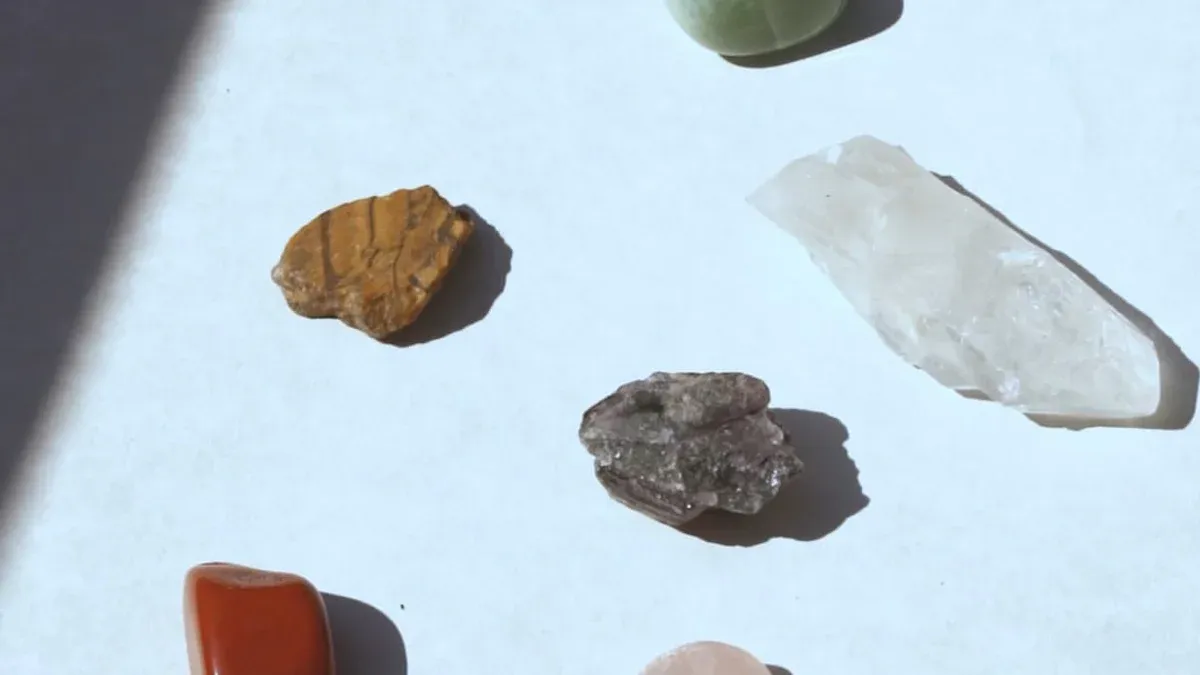
Many rare earth oxides are used in products. Each one has a special job. Here are the main types you see most:
Lanthanum Oxide (La₂O₃): This is used in camera lenses and optical glass. It helps make pictures clearer and brighter.
Cerium Oxide (CeO₂): This is used to polish glass and clean surfaces. It removes scratches and dirt.
Praseodymium Oxide (Pr₆O₁₁): This is used in magnets and colored glass. It gives glass a green color.
Neodymium Oxide (Nd₂O₃): This is used in strong magnets and lasers. It helps headphones and microphones work better.
Samarium Oxide (Sm₂O₃): This is used in magnets and nuclear reactors. It helps control how nuclear reactions happen.
Europium Oxide (Eu₂O₃): This is used in TV screens and lamps. It makes red colors look bright.
Gadolinium Oxide (Gd₂O₃): This is used in MRI scans and data storage. It helps doctors see better images.
Terbium Oxide (Tb₄O₇): This is used in green lights and fuel cells. It helps make bright green colors.
Dysprosium Oxide (Dy₂O₃): This is used in magnets and lasers. It helps magnets work when it is hot.
Holmium Oxide (Ho₂O₃): This is used in glass coloring and lasers. It gives glass a yellow color.
Erbium Oxide (Er₂O₃): This is used in fiber optics and lasers. It helps send signals through wires.
Thulium Oxide (Tm₂O₃): This is used in X-ray machines. It helps make medical pictures safer.
Ytterbium Oxide (Yb₂O₃): This is used in lasers and electronics. It helps batteries work better.
Lutetium Oxide (Lu₂O₃): This is used in PET scanners and lights. It helps doctors see inside your body.
Scandium Oxide (Sc₂O₃): This is used in strong aluminum alloys. It makes sports gear lighter and stronger.
Yttrium Oxide (Y₂O₃): This is used in ceramics and LEDs. It helps make bright white lights.
Tip: Rare earth oxides can look like powders or crystals. Their colors and features depend on the element inside.
Rare earth oxides fit into two main groups. These are light rare earth oxides (LREOs) and heavy rare earth oxides (HREOs). The group depends on atomic number and how common they are.
Light Rare Earth Oxides (LREOs) include lanthanum, cerium, praseodymium, neodymium, and samarium. You find these more often in nature. They react quickly and work well in magnets, glass, and electronics.
Heavy Rare Earth Oxides (HREOs) include gadolinium, terbium, dysprosium, holmium, erbium, thulium, ytterbium, lutetium, and yttrium. You find these less often. They have special features for clean energy, lasers, and medical imaging.
Here is a table that shows how you can group some basic rare earth oxides:
Category | Examples | Common Uses |
|---|---|---|
LREOs | La₂O₃, CeO₂, Pr₆O₁₁, Nd₂O₃, Sm₂O₃ | Magnets, glass, electronics |
HREOs | Dy₂O₃, Tb₄O₇, Gd₂O₃, Y₂O₃, Lu₂O₃ | Lasers, clean energy, imaging |
Gadolinium oxide, praseodymium oxide, and cerium oxide have special structures and properties. You can use them in solid oxide cells. They stay stable at high temperatures. Their cubic shape and ability to swap oxygen make them good for energy uses. You see these oxides in fuel cells and batteries.
You will find rare earth oxides in many products, such as:
Dysprosium
Neodymium
Terbium
Gadolinium
Lutetium
Yttrium
Erbium
Cerium
Lanthanum
Praseodymium
Samarium
Scandium
Ytterbium
Each oxide has its own special features. You can use them to make things stronger, brighter, or work better.
Rare earth oxides come from special minerals. Some important minerals are:
Monazite
Xenotime
Loparite
Bastnäsite
Euxenite
Allanite
Clays with rare earths
These minerals have elements like Lanthanum and Cerium. They also have Praseodymium, Neodymium, Samarium, Europium, and Gadolinium. You can find Terbium, Dysprosium, Holmium, Erbium, Thulium, Ytterbium, Lutetium, Scandium, and Yttrium in them too. You must take out these elements before making rare earth oxides.
There are different ways to separate rare earths from minerals. Here is a table that shows some common methods:
Extraction Method | Description |
|---|---|
Chemical Precipitation | This method is simple and works well. It makes a lot of dirty water. |
Adsorption | This method separates rare earths well. It costs more and does not work as well after recycling. |
Solvent Extraction | This method is fast and works well. It has problems with mixing and moving materials. |
You can also get rare earths from acid mine water and recycling old materials. These ways help protect the environment.
After you take out rare earths, you need to clean them. You follow steps to get very pure oxides:
Use acid leaching, alkali leaching, or acid roasting to get rare earths from waste.
If rare earths are stuck in hard forms, you can use microwaves to help.
Alkaline roasting changes tough compounds into oxides.
Leaching needs high heat, strong acids, and helpers like hydrogen peroxide.
The last steps are cleaning, separating, and making carbonates to get pure rare earths.
Tip: You can make oxides like Neodymium Oxide and Dysprosium Oxide very pure, up to 99.9%. This is needed for electronics and clean energy.
Scientists have made rare earth oxide production better. Now, there are safer ways to process and new ways to separate using strong magnets. These help make very pure oxides and metals. The SEEE process from Kyoto University lets you get neodymium and dysprosium with over 90% purity. Companies like Energy Fuels and ReElement use smart recycling and chromatography to make rare earth oxides faster.
Ganzhou Wanfeng Advanced Materials Technology Co., Ltd. is in Ganzhou city, Jiangxi province, China. Their location is called the "Kingdom of Rare Earth." The company started in 1994 and is very big. They make rare earth oxides like Lanthanum Oxide, Cerium Oxide, Neodymium Oxide, and Erbium Oxide. They use modern machines and strong checks for quality. You get steady, high-quality rare earth materials and good service from their team. Their goal is to bring rare earth resources to people all over the world.
Rare earth oxides are used in many devices. They help electronics work better and last longer. Neodymium oxide and praseodymium oxide make strong magnets for headphones. Cerium oxide and dysprosium oxide help solar panels work well. These oxides are found in lithium-ion batteries. They help batteries store more energy and stay safe. Rare earth oxides also help make hydrogen faster. Cerium oxide in catalytic converters cuts car pollution.
Solar panels use dysprosium and cerium for better power.
Rare earth oxides help batteries last longer.
Hydrogen is made faster with these oxides.
Cerium oxide in converters lowers engine pollution.
Rare earth oxides help chemical reactions in factories. They act as catalysts, supports, or promoters. This makes factories cleaner and more efficient. Very pure rare earth oxides give better results and less waste. You see them used to polish glass and make ceramics.
Role of Rare Earth Oxides | Description |
|---|---|
Supports | Help other metals work better in reactions. |
Promoters | Make reactions faster and more exact. |
Active Sites | Help reactions happen at single spots. |
You can mix rare earth oxides with other oxides. This helps scientists study new materials and reactions.
Rare earth oxides help clean energy and protect nature. They are used in wind turbines and electric cars. Neodymium and dysprosium oxides make strong magnets for turbines. Yttrium, lanthanum, and cerium oxides are used in battery cooling and ceramic parts. These oxides help lower pollution and support green energy. Making rare earth oxides can hurt the environment. Recycling and cleaner ways are needed.
Note: Using rare earth oxides in green tech helps the planet. But it is important to make them responsibly.
Ganzhou Wanfeng is a top company for rare earth oxides. It is in Ganzhou, China. They make many types like lanthanum oxide and cerium oxide. Their modern factories and strict checks give high-quality products to people everywhere.
Rare earth oxides are important for the world’s economy. These materials help make things you use every day. The market for rare earth elements is growing quickly. Countries like China and the United States need rare earth oxides to grow their economies. China’s mining went from 8,500 metric tons in 1985 to 48,000 metric tons in 1995. Now, China makes most of the world’s rare earth oxides. China also makes most rare earth metals, alloys, and magnets. This gives China a strong place in the world market.
When you use a phone, electric car, or wind turbine, you help create jobs and support the economy.
Making rare earth oxides can hurt the environment. Mining and processing can cause pollution and waste. Many groups and governments want to make rare earth production safer. Here are some things they do:
Companies must follow strict supply chain rules.
Laws protect people and nature during mining.
Mining companies must clean up and get rid of waste safely.
Local people help make rules for safe mining.
Some places stop mining until safety rules are ready.
Cleaner ways and recycling help lower pollution and protect the earth. You can help by picking products made with care for nature.
Ganzhou Wanfeng Advanced Materials Technology Co., Ltd. is a leader in rare earth production. The company is in Ganzhou, China’s “Kingdom of Rare Earth.” It started in 1994 and is very big. They use modern machines to make high-quality rare earth oxides. These include Lanthanum Oxide, Cerium Oxide, Neodymium Oxide, and Erbium Oxide. Ganzhou Wanfeng connects rare earth resources with people all over the world. They offer steady, reliable, and eco-friendly products.
You can find rare earth oxides in many things you use. They are in glass polish and strong magnets. There are different types, like cerium oxide, rare earth nitrates, and rare earth chlorides.
Type of Rare Earth Oxide | Uses |
|---|---|
Cerium Oxide | Glass polishing, catalyst |
Rare Earth Nitrates | High-performance coatings, catalyst formulas |
Rare Earth Chlorides | Metallurgy, optical materials |
Rare earth elements help your electronics and electric cars work. They are also important for wind turbines. Recycling these materials is good for nature. It also helps make sure we do not run out.
Microsoft and Western Digital recycled 50,000 pounds of hard drives to get rare earths.
The U.S. Department of Defense works to recover important elements.
Not much gets recycled now, but new projects want to change that.
Scientists keep studying how to use rare earth oxides safely. They also want to make them work better. Ganzhou Wanfeng Advanced Materials Technology Co., Ltd. is a top company for rare earths. It is in Ganzhou, China. The company uses new technology and strong quality checks. They give high-quality materials and help people all over the world.
Lanthanum Oxide is used in camera lenses. Cerium Oxide helps polish glass surfaces. Praseodymium Oxide makes glass look green. Neodymium Oxide is needed for strong magnets. Samarium Oxide is important in nuclear reactors. Europium Oxide makes TV screens brighter. Gadolinium Oxide helps doctors with MRI scans. Terbium Oxide is used for green lights.
Oxide | Main Use |
|---|---|
Lanthanum Oxide | Lenses |
Cerium Oxide | Glass polishing |
Neodymium Oxide | Magnets |
Europium Oxide | TV screens |
Neodymium Oxide and Dysprosium Oxide make magnets for headphones. Yttrium Oxide and Erbium Oxide help fiber optics send signals. These oxides help batteries last longer. They also make devices work better.
Tip: Rare earth oxides help electronics last longer and work well.
Rare earth oxides are found in wind turbines and electric cars. Neodymium Oxide and Terbium Oxide make strong magnets for turbines. Yttrium Oxide and Lanthanum Oxide help batteries and ceramics in green energy systems.
Rare earth oxides help lower pollution in clean energy. Mining and making them can create waste. Recycling and new technology help make rare earths safer for nature.
Ganzhou Wanfeng Advanced Materials Technology Co., Ltd. started in 1994 in Ganzhou, China. The company makes rare earth oxides like Lanthanum Oxide and Cerium Oxide. They also make Neodymium Oxide and Erbium Oxide. You get high-quality products and fast service from their modern factories.


