
close
Choose Your Site
Global
Social Media


Views: 0 Author: Site Editor Publish Time: 2026-03-30 Origin: Site


In today’s modern world, rare earth metals have become indispensable to various industries and technologies. These metals, which are a group of 17 elements found in the periodic table, play a vital role in everything from consumer electronics to renewable energy systems. They are used in the production of high-performance magnets, batteries, catalytic converters, and more. At Ganzhou Wanfeng Advanced Materials Technology Co., Ltd., we understand the critical role that rare earth metals play in modern manufacturing, energy production, and even defense technologies.
The demand for rare earth metals has surged in recent years due to their essential functions in emerging technologies and green energy solutions. Despite their name, rare earth metals are not necessarily rare in terms of their abundance in the Earth's crust. However, their extraction and refinement processes are complex, making them more difficult to obtain and expensive. In this article, we will explore why rare earth metals are crucial to our technological advancement and why securing a steady supply of these metals is more important than ever.
Rare earth metals refer to a collection of 17 elements, including the 15 lanthanides on the periodic table and two additional elements, scandium and yttrium. These metals are characterized by their unique electronic and magnetic properties, making them essential in a variety of advanced applications. Some of the most well-known rare earth metals include neodymium, dysprosium, lanthanum, and cerium.
The term "rare earth" is somewhat misleading, as these metals are not actually rare. They are relatively abundant in the Earth's crust, but they are typically dispersed and found in low concentrations, which makes extraction challenging. Additionally, the processes required to refine these metals into usable forms for industrial applications are highly specialized and expensive.
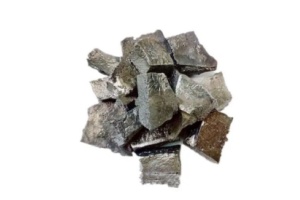
The importance of rare earth metals lies in their unique and exceptional properties, which are critical to the functioning of modern technologies and a wide range of industries. These metals, which include elements such as neodymium, lanthanum, yttrium, cerium, and dysprosium, are indispensable in the production of high-performance products. While these metals are not particularly rare in the Earth's crust, they are difficult to mine and refine, making them scarce and expensive. As a result, their role in various sectors is becoming increasingly important. Here are some of the key reasons why rare earth metals are vital to modern technology and global industries:
One of the most significant uses of rare earth metals is in the production of high-performance magnets. Neodymium is the most notable example, as it is used to create powerful permanent magnets that are far stronger and more efficient than traditional magnets made from iron or steel. Neodymium magnets are crucial in many modern applications such as electric motors, wind turbines, and hard drives.
The demand for neodymium magnets has surged in recent years, driven by their indispensable role in clean energy technologies and electric vehicles (EVs). In the case of wind turbines, these magnets are used in the motors to generate electricity efficiently even in low-wind conditions. For electric vehicles, neodymium magnets are a key component of the motors, providing the power necessary for high-efficiency and long-range performance. This has led to a significant increase in the demand for rare earth metals as industries move towards more sustainable technologies.
As the world transitions toward cleaner and more sustainable energy sources, rare earth metals have become increasingly critical. In addition to their use in electric motors and wind turbines, rare earth metals also play a vital role in the production of photovoltaic cells (solar panels), which are essential for harnessing solar energy. Cerium, another rare earth metal, is used in the production of fuel cells—another technology that is expected to play an important role in future energy solutions.
The importance of rare earth metals in renewable energy technologies cannot be overstated. For example, wind turbines rely on rare earth magnets made from neodymium and dysprosium to generate power efficiently. Solar panels, which are at the forefront of the renewable energy revolution, often rely on rare earth elements for the production of high-quality photovoltaic cells, making solar energy an even more viable and reliable energy source. As governments, businesses, and consumers push for more clean energy solutions, the demand for rare earth metals will only continue to rise.
Today’s consumer electronics—smartphones, laptops, tablets, flat-screen TVs, and gaming consoles—rely heavily on rare earth metals. Lanthanum, for instance, is widely used in the production of rechargeable batteries, including those in devices such as smartphones, laptops, and electric vehicles. Yttrium is an essential material for the creation of LED lights, which are used in a wide variety of electronic products, from televisions to household lighting.
Another example is cerium, which is used in displays and screens. Rare earth metals provide significant benefits to the consumer electronics industry because of their ability to improve product performance and energy efficiency. The increasing demand for advanced and high-performance consumer gadgets means the need for rare earth metals is greater than ever. As technology continues to advance, the dependence on rare earth metals for new innovations will only grow.
Rare earth metals also play a crucial role in defense and military technologies. Their high-performance characteristics make them essential for the production of powerful magnets used in systems such as radar, sonar, guidance systems, and missile defense systems. Neodymium magnets are particularly important for their use in sophisticated defense technologies that require high efficiency, compactness, and reliability.
The automotive industry is undergoing a major transformation, particularly with the shift toward electric vehicles (EVs). Rare earth metals play a central role in this transformation. They are critical components of the motors, batteries, and other electronics used in EVs. For example, neodymium and dysprosium are key materials for creating high-efficiency magnets in the electric motors of EVs. These magnets help provide better torque and efficiency in the motors, enabling EVs to operate smoothly and effectively.
Although rare earth metals are essential to many industries, there are significant challenges involved in securing a reliable and sustainable supply of these metals. Here are some of the key challenges:
The global supply chain for rare earth metals is concentrated in a few regions, particularly in China, which controls a significant portion of global production. This has led to concerns over supply chain vulnerabilities, as geopolitical tensions, trade disputes, or environmental regulations could disrupt the availability of these metals. Diversifying the supply chain and exploring new mining sources in other parts of the world are essential steps to mitigate these risks.
The process of mining and refining rare earth metals is often associated with significant environmental impacts. The extraction of these metals can result in the generation of toxic waste, soil contamination, and water pollution. Striking a balance between meeting the demand for rare earth metals and minimizing environmental damage is a critical challenge for the industry.
While rare earth metals are abundant in the Earth's crust, they are typically found in low concentrations and mixed with other elements. Extracting and refining these metals is a complex and costly process. As demand grows, there is an increasing need for innovation in mining and refining technologies to make the extraction process more efficient and cost-effective.
Challenge | Description | Solution |
Supply Chain Vulnerabilities | The global supply chain for rare earth metals is heavily reliant on a few regions, particularly China, creating risks due to geopolitical factors. | Diversifying the supply chain and exploring new mining sources in other regions to reduce dependency on one area. |
Environmental Concerns | Mining and refining rare earth metals can result in toxic waste, soil contamination, and water pollution, leading to long-term environmental damage. | Implementing more sustainable mining practices and improving waste management techniques to minimize environmental impact. |
Complex Extraction Process | Rare earth metals are found in low concentrations and are mixed with other elements, making the extraction and refining process both costly and complex. | Investing in advanced mining and refining technologies to improve extraction efficiency and reduce costs. |
Rare earth metals are vital to the advancement of technology, renewable energy, and defense systems. As demand for these metals grows, it is crucial that we address the challenges in their extraction, supply chain vulnerabilities, and environmental concerns. At Ganzhou Wanfeng Advanced Materials Technology Co., Ltd., we are committed to providing high-quality rare earth materials to support the development of clean energy, advanced technology, and modern manufacturing. By investing in sustainable practices and working with global partners, we ensure that these critical resources remain available for the future.
If you’re interested in learning more about rare earth metals and how they can benefit your industry, contact us today. Our team is ready to assist you with your materials needs and provide insights into the latest trends and innovations in the rare earth metals market.
Rare earth metals are used in a wide range of applications, including the production of high-performance magnets, batteries, consumer electronics, solar panels, and military technologies.
Rare earth metals are crucial for the production of efficient solar panels, wind turbines, and electric vehicle motors, making them essential to the transition to renewable energy.
Rare earth metals are primarily mined in China, but other countries such as the United States, Australia, and Russia also have rare earth mining operations.
To ensure a sustainable supply of rare earth metals, industries are focusing on diversifying the supply chain, investing in innovative extraction technologies, and increasing recycling efforts to reuse rare earth materials.


